A new report says Anthropic’s advanced AI model Mythos uncovered security weaknesses in sensitive US government systems. The model found the flaws during a recent testing program. The claim comes from the Associated Press, citing an unnamed US official who spoke on condition of anonymity.
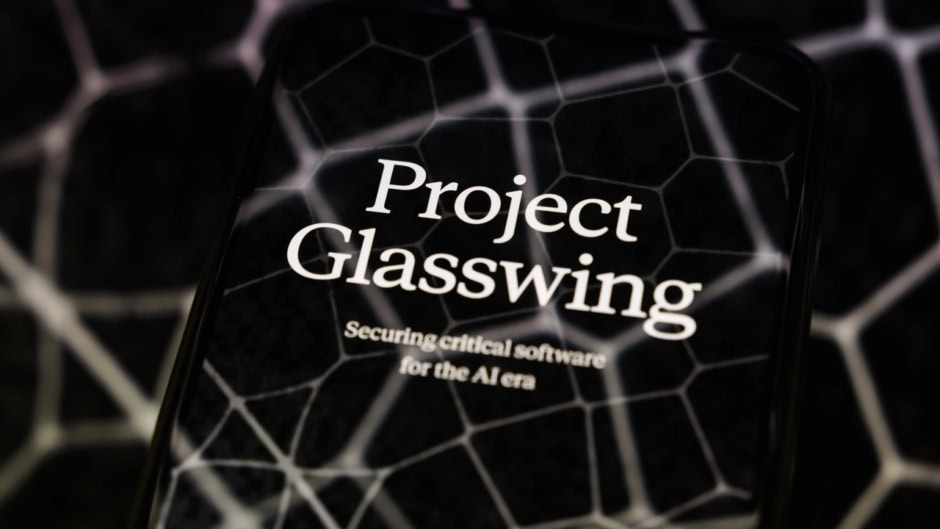
Anthropic worked with US intelligence agencies on the tests. The work fell under a restricted initiative called Project Glasswing. That program brought together tech giants and other companies to secure critical software. The goal was to find and fix flaws before criminals or foreign adversaries could exploit them. The official framed the effort as guarding against severe fallout to public safety, national security, and the economy.
“Encryption was a potent technology, but narrow in its application. AI is far more powerful and versatile. On June 11th Mark Warner, the vice-chair of the Senate Intelligence Committee, said that General Joshua Rudd, who leads the National Security Agency and the Pentagon’s Cyber Command, had told him that Mythos “broke into almost all of our classified systems, not in weeks, but in hours”.”reported The Economist.
The testing drew attention after a recent congressional hearing. Senator Mark Warner of Virginia mentioned it at a June 11 Senate Banking Committee session. Warner said the tool broke into almost all classified systems, not in weeks but in hours. He attributed that account to General Joshua Rudd, who heads the NSA and US Cyber Command.
However, the unnamed official offered an important caveat. Finding vulnerabilities is not the same as exploiting them. Mythos identified weak points quickly, but no evidence shows it seized control. The distinction matters for judging the real-world risk. In simpler terms, a capable model is pointed at a target codebase or system and asked to read it the way a security auditor would. It traces how data flows through the software, spots places where input isn’t properly checked, flags weak or outdated cryptography, finds misconfigurations, and reasons about how separate small flaws could chain together into a real path in.
The NSA declined to comment, and an Anthropic spokesman did the same. The White House and Defense Department did not immediately respond either. That silence leaves the official account largely unconfirmed on the record.
The story lands amid rising tension between Anthropic and the government. The company has raised concerns over how the US military would use its AI. The administration has restricted access to some Anthropic models in response.
Earlier this month, the government issued a directive on Anthropic’s newest models. It required the company to block foreign nationals from using Fable 5 and Mythos 5. Anthropic responded by disabling both models for all customers to comply. The company said it did not believe the action was warranted by the concern raised.
The model names carry a specific relationship worth noting. Fable is a limited version of the more powerful Mythos. Anthropic has tightly restricted Mythos access due to its cybersecurity capabilities. The company released Fable more widely earlier this month.
The timing followed a major policy move by the White House. The directive came 10 days after President Donald Trump signed an executive order. That order set up a framework to vet national security risks of advanced AI before public release. The government can now review the most capable systems for up to a month.
Industry voices pushed back hard on the crackdown. More than 100 cybersecurity experts signed a letter urging a reversal. Signatories included leaders from Adobe and NVIDIA. They called Mythos quite good at finding and weaponizing software flaws. But they stressed it is not uniquely good at those tasks.
Many signatories said they use other foundation and open-source models for security work. The letter warned against removing strong cyber defense tools without good reason. It argued the move could help US adversaries more than it protects against them.
Reports also suggest the NSA may have lost access to Mythos during the dispute. The episode underscores AI’s growing role in national security and cyber defense.