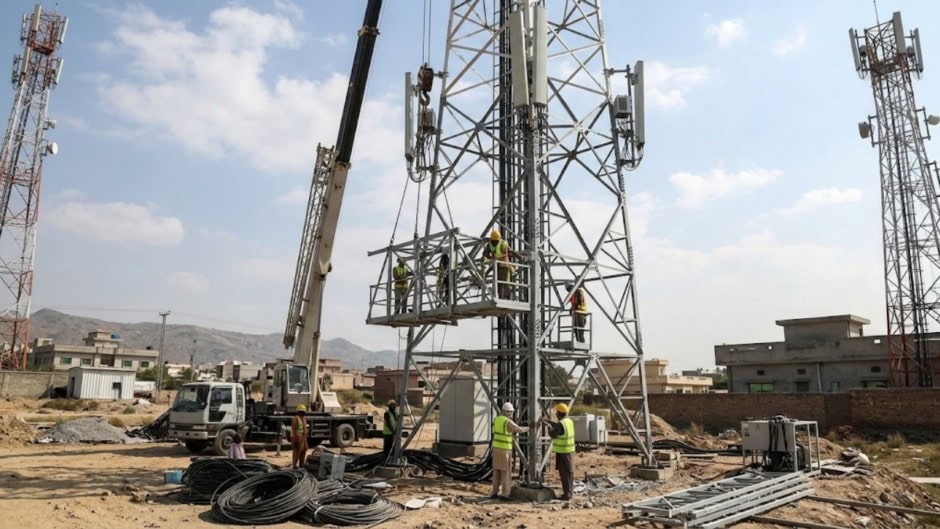
The Pakistan Telecommunication Authority (PTA) is finally cracking down on dormant telecom infrastructure. Consequently, the regulator has proposed mandatory rollout obligations for Telecommunication Infrastructure (Tower) Provider (TTP) licensees. Currently, a majority of these companies hold licenses but fail to build actual infrastructure. The PTA wants to end this speculative licensing immediately. Ultimately, this aggressive move aims to boost Pakistan’s broadband access and ensure 4G and 5G readiness.
The numbers reveal a massive gap between licensing and deployment. The PTA has issued 15 valid TTP licenses nationwide. However, only nine companies have actually started operations. Furthermore, just six of these firms have deployed 50 or more towers. This means nearly 60 percent of license holders have made zero or negligible progress. Therefore, this inactivity severely hurts spectrum efficiency and widens national infrastructure gaps.
PTA Proposes Strict New Rollout Targets
To fix this bottleneck, the PTA has proposed a strict five-year rollout framework under the Pakistan Telecommunication (Re-Organization) Act, 1996. Licensees will now face clear annual targets tied directly to their commencement certificates. Specifically, companies must build either 10 towers or 5 distributed antenna systems (DAS) every year for five years.
Moreover, this policy brings TTPs in line with other telecom sectors. Currently, Long Distance International (LDI), Local Loop (LL), and Telecommunication Infrastructure Provider (TIP) licenses already include strict rollout obligations. The PTA simply wants to enforce accountability across the entire board.
Industry Pushback & Looming Deadlines
Undoubtedly, this policy will force inactive players to either comply, partner up, or exit the market altogether. As a result, this mandate could trigger massive consolidation within the tower infrastructure space. Meanwhile, active tower deployment will dramatically improve network coverage, reduce call drops, and enhance data speeds.
However, telecom players face real economic hurdles. Building towers requires massive upfront capital for land, equipment, and power. Additionally, Pakistan’s harsh macroeconomic environment, currency volatility, and high financing costs make compliance incredibly difficult.
The clock is ticking. The PTA has given stakeholders until May 4, 2026, to submit written feedback or suggest alternative frameworks. Since today is April 22, companies have less than two weeks to respond. Once finalized, these obligations will become a binding condition for all current and future TTP licensees.