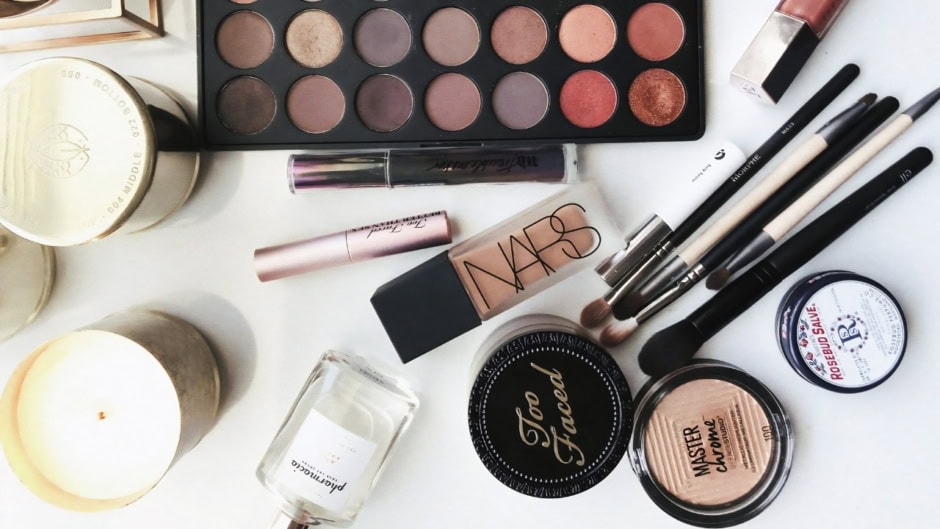
The Senate Standing Committee on Science and Technology officially approved the Pakistan General Cosmetics Bill, 2026, on Wednesday. The committee passed the legislation with two amendments. This critical move aims to overhaul an industry plagued by dangerous products and massive smuggling. Currently, lawmakers warn that the sector operates completely without effective checks.
Senate Approves Cosmetics Bill 2026 Tackling a $500M Smuggling Crisis
Smugglers bring an estimated $500 million worth of cosmetics into Pakistan. Furthermore, the absence of proper legislation prevents Pakistani products from reaching international markets. Federal Minister for Defence Production Muhammad Raza Hayat Harraj highlighted that local manufacturers have become billionaires despite these glaring regulatory gaps. He noted that Chichawatni has recently emerged as a major manufacturing hub for the sector.
Unfortunately, unregulated cosmetics often contain harmful elements like mercury. Consequently, these toxic ingredients cause serious health issues, including skin cancer. To combat this, the new bill establishes a powerful regulatory authority comprising the Drug Regulatory Authority of Pakistan (DRAP) and the Ministry of Science and Technology. Previously, the government dissolved the former regulator, Pakistan General Cosmetics Regulatory Authority (PGCRA), in January 2025. Now, the newly structured framework will strictly monitor both physical and online sales. This specific inclusion addresses growing concerns over unchecked products flooding digital platforms.
Additionally, the committee approved the Islamabad Capital Territory Food Safety (Amendment) Bill, 2025. Senator Samina Zehri moved this legislation to restrict the sale and consumption of energy drinks near educational institutions in the capital. Punjab and Khyber Pakhtunkhwa already follow similar safety practices. Next, the committee will invite the Interior Ministry to further deliberate on enforcing these food safety measures.
NUST Infrastructure Disputes Persist
Meanwhile, the committee expressed serious concerns over unresolved water and wastewater disputes at NUST. Decades ago, NUST paid the Capital Development Authority (CDA) millions for water pipelines. However, encroachments and unresolved land issues stalled the Shah Allah Ditta project. Although a 50,000-gallon daily supply finally started in January 2026, authorities cut it off by June due to severe shortages.
Moreover, untreated wastewater from sectors G-13 and H-13 is creating massive environmental hazards as it flows through the university area. NUST proposed a Rs159 million sewage treatment plant to fix the issue. In response, the CDA slapped the university with a massive Rs574 million penalty for undertaking construction without prior approval. To resolve these ongoing disputes, the committee revived a sub-committee convened by Senator Afnan Ullah.
Finally, the committee sought a detailed, research-based presentation on the loss of thousands of acres of land in Sindh caused by rising sea erosion. Members also appreciated the Ministry of Science and Technology for successfully establishing the Pak-Korea Solar Testing Lab.