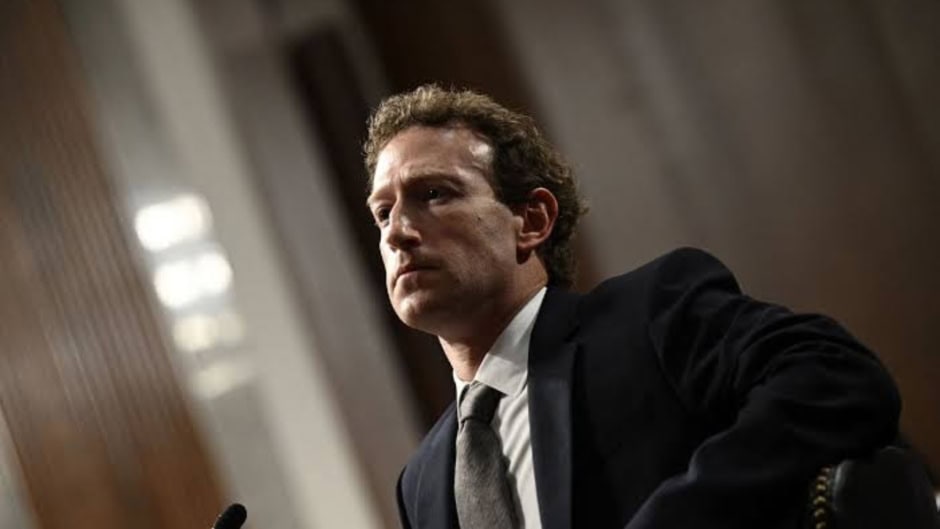
Meta CEO Mark Zuckerberg continues to promote his sweeping vision for artificial intelligence. However, new polling data suggests he faces a difficult sell. A recent survey indicates both Zuckerberg and Meta will struggle to win public trust. That challenge could directly affect the company’s ambitious AI plans.
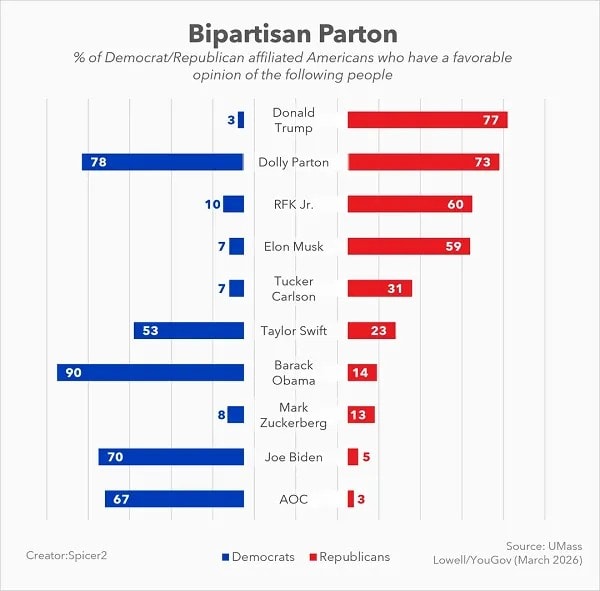
The findings come from UMass Lowell’s Center for Public Opinion. The center conducted the survey in partnership with polling firm YouGov. According to the results, Zuckerberg ranks as the least-liked public figure in the US. Notably, this unpopularity spans both Republicans and Democrats equally. Few public figures manage such deep disapproval across the political spectrum.
Earlier this month, Zuckerberg published a 6,500-word manifesto outlining his vision, which TechJuice covered in detail. In it, he described a future built around personal AI superintelligence. Essentially, everyone would access an always-on AI assistant. That agent would guide daily decisions across health, finances, and careers.
Zuckerberg framed this future in glowing terms. He said the agent would understand your goals and everything you care about. Additionally, it would work continuously to improve relationships and free up time. For some people, this vision sounds genuinely valuable and beneficial.
However, achieving it requires one significant thing from users. Meta would need access to far more personal data than before. The AI tools must reach a broad range of sensitive information. Consequently, user trust becomes absolutely central to the entire plan.
This is precisely where the survey results create problems. Meta’s past actions have already eroded public trust considerably. The new data further underlines the company’s ongoing trust deficit. As a result, convincing users to share sensitive data grows harder.
Meta is attempting to improve its standing on several fronts. Recently, it established a major agreement restricting teenage social media usage. However, the company still faces challenges elsewhere across its products. For instance, its camera-equipped AI glasses have drawn privacy criticism.
Ultimately, it remains unclear whether Meta can reverse this perception. The company must convince more people it works for the public good. Otherwise, its data-hungry AI ambitions may face persistent public resistance. For now, the trust gap remains a substantial obstacle ahead.
You can see the complete survey here.