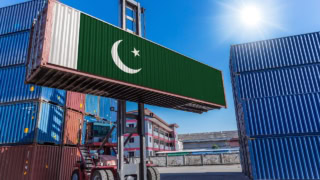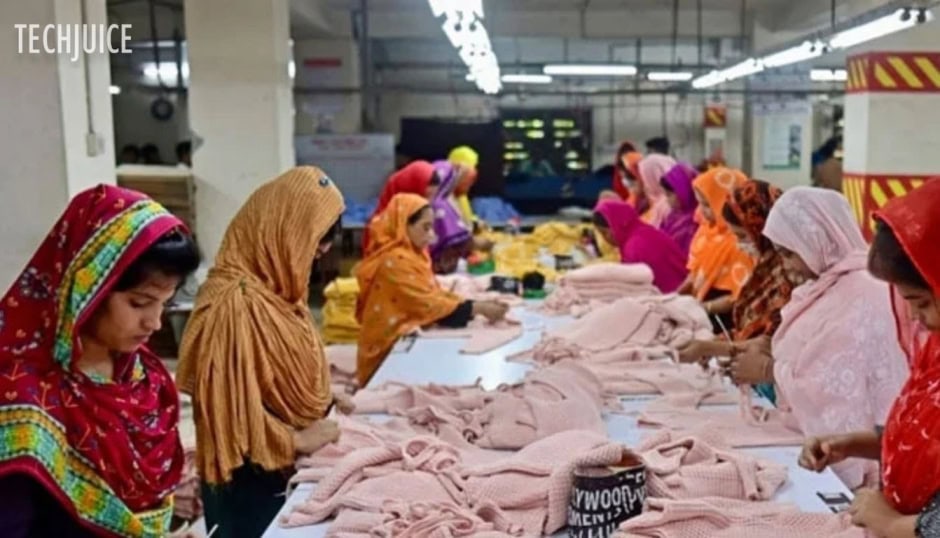
Pakistan Bureau of Statistics (PBS) data shows that exports of textile goods from Pakistan climbed by 9.67% in the first half of fiscal year 2024-25, from $8.283 billion to $9.084 billion, compared to the same period last year.
December 2024 textile exports were $1.477 billion, up 5.55 percent from $1.399 billion the previous year. Textile exports increased by 1.11 percent month-over-month in November 2024, reaching $1.461 billion.
Export Commodities in December 2024
In December 2024, some of the most important export commodities were
| Commodity | Export Value (Billion Rupees) |
| Knitwear | 108.94 |
| Readymade Garments | 99.33 |
| Other Varieties of Rice | 86.80 |
| Bedwear | 71.25 |
| Cotton Cloth | 41.39 |
| Sugar | 40.57 |
| Towels | 24.55 |
| Pharmaceutical Products | 17.63 |
| Cotton Yarn | 17.46 |
| Made-up Articles (Excl. Towels & Bedwear) | 16.40 |
However, the All Pakistan Textile Mills Association (APTMA) has demanded that the Federal Board of Revenue (FBR) fix the textile industry’s most pressing problems, such as making local inputs competitive again and making sure exporters get their money back on time.
Shahid Sattar, secretary general of APTMA, wrote to Rashid Mahmood Langrial, chairman of the FBR, drawing attention to research done by Dr. Nadeemul Haque, chairman of the PIDE, in his letter. The study highlighted the critical need for legislative changes to keep the sector competitive and continue contributing to the national economy. It concentrated on the effects of eliminating zero-rating and sales tax exemptions for local supply
According to the report, local cotton growers, spinning units, and the formal textile sector are hit hard by the existing tax structure. This is because it creates an imbalance between native and imported inputs. It predicted that 2% of GDP, or more than PKR 1.7 trillion, may be lost to increased input costs, which would lead to business closures, job losses, and falling exports.
The local inputs used in export production should once again be exempt from sales tax or have zero rating, according to the research. This would be done through the Export Facilitation Scheme (EFS). It was also proposed to reform the return system to guarantee timely and complete refunds, or to levy an equal GST on imported inputs.
It further suggested:
- Reduce the audit/reconciliation time from five years to six months.
- Implementing algorithmic checks on transactions to enhance monitoring.
- Punishing infractions and strictly enforcing eligibility requirements for tax benefits.
- Improving exporters’ liquidity and streamlining the return procedure through enhanced digitization.
Despite the study’s admission of EFS inefficiencies, it also point out that input diversion to local markets and other forms of misuse were very rare and could be controlled with focused modifications.
The textile industry has been hit hard by the elimination of zero-rating, while the agriculture and service sectors have taken a hit as well. Trust between stakeholders and tax authorities is undermined as exporters have cash flow issues due to delayed refunds.
If Pakistan wants to keep exports going and become a global player in the value chain, APTMA says it needs stable tax policies and reasonable exchange rates.
The APTMA has called on the FBR to take immediate action in order to resolve these issues, make the textile industry viable again, and save the lives of millions of people who rely on it. “Immediate reforms are essential to prevent further damage to Pakistan’s textile sector,” Sattar told reporters.