Pakistan’s electric vehicle conversation is often reduced to one question: when will people start buying EVs? As a CEO working in Pakistan’s EV industry, I believe we are asking the question too narrowly. The bigger question is what kind of economy we can build when a meaningful share of our mobility no longer depends on imported petrol and diesel.
For me, the EV transition is not simply about transport. It is an opportunity to reduce imported fuel dependence, lower the cost of mobility, and build local manufacturing and technology capabilities. If we approach electrification only as replacing engines with batteries, we will miss much of the value it can create.
Mobility is deeply tied to economic life in Pakistan. A family uses a motorcycle to get to work and take children where they need to go. A shopkeeper depends on it to bring in stock. A delivery rider depends on a vehicle for daily income. A small entrepreneur may use a motorcycle to reach customers and markets. A motorcycle is often an economic asset, not simply a mode of transport.
Pakistan has 39.09 million registered vehicles, including 30.46 million motorcycles, according to the Pakistan Economic Survey 2025–26. Our transition will therefore look different from countries dominated by private cars. Two-wheelers, three-wheelers, delivery fleets, buses and commercial vehicles will be central, with different segments electrifying at different speeds.
For high-use vehicles, the economics can be compelling. EVs generally have lower energy costs per kilometre and fewer moving components requiring routine maintenance. For households, that can mean lower daily mobility costs; for delivery riders and small businesses, lower operating costs can directly improve income and margins. At the national level, shifting transport energy away from imported petroleum can also reduce exposure to global oil-price volatility. EVs will not eliminate oil imports overnight, and reliable, diversified electricity remains essential, but they can gradually connect transport demand more closely to domestic energy.
The figures from the Pakistan Accelerated Vehicle Electrification (PAVE) scheme, introduced by the government to accelerate EV adoption through consumer incentives and financing support, are especially revealing. The scheme received 269,149 applications against a target of 41,000 vehicles, while banks approved only 4,075 of the 44,689 applications referred to them. This suggests that Pakistan may not have an EV demand problem as much as an access and financing problem.
A consumer can want an electric motorcycle and still be unable to buy one if the deposit is too high or the monthly instalment does not fit the household budget. The same is true for a rider or entrepreneur whose vehicle is an income-generating asset. Financing products should reflect the lower operating cost of EV ownership, through longer repayment periods, lower upfront requirements and structures that recognise fuel and maintenance savings. We also need confidence: reliable products, transparent warranties, battery servicing and replacement, safety standards, testing and professional after-sales support.
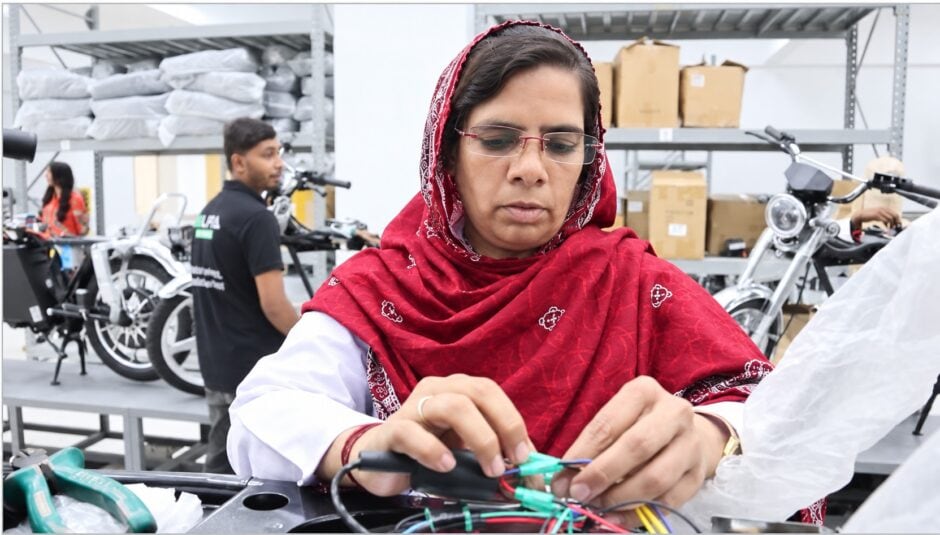
Affordable, reliable mobility can expand economic participation. Lower travel costs can improve access to employment, education, entrepreneurship and markets. For women in particular, mobility can determine whether work, education and economic opportunities are realistically accessible. The value of EVs is therefore not only what they save on transport; it is what affordable mobility enables people to do.
Infrastructure must be designed for Pakistan’s vehicle mix. We should not simply copy charging models from markets where passenger cars dominate. With tens of millions of motorcycles, we need practical two-wheeler solutions for homes, workplaces and commercial fleets, alongside strategically located public charging for longer-distance and larger vehicles. Charging should be treated as part of the wider energy system, not as an isolated EV initiative.
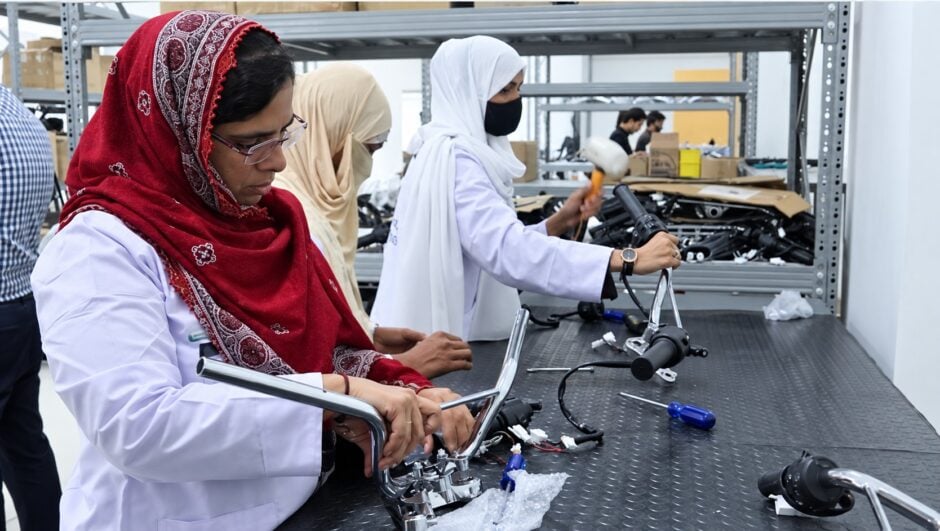
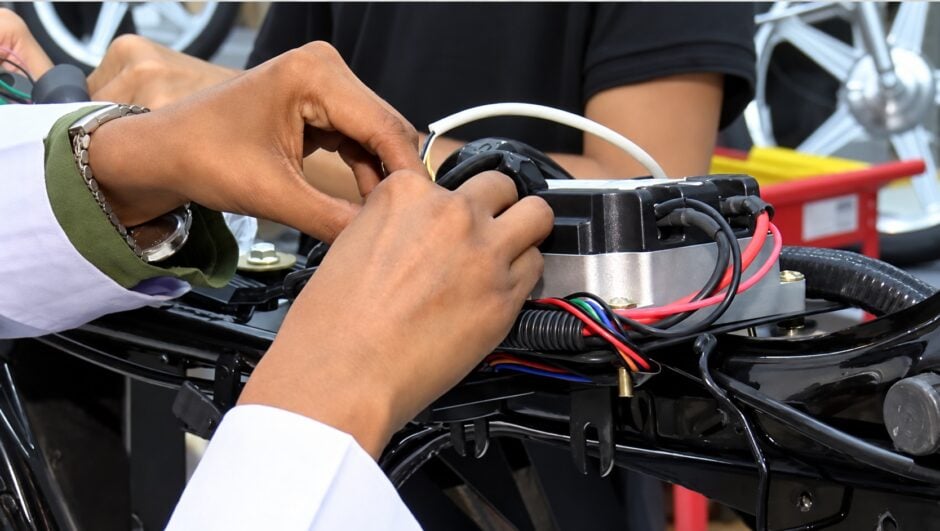
The other opportunity is manufacturing. Pakistan should not measure success simply by how many EVs we assemble or sell. EVs require batteries, battery management systems, motors, controllers, chargers, power electronics, embedded software, energy-management systems and testing. This creates opportunities in engineering, electronics, software, quality control and technical skills. We should move beyond importing finished technology toward local capability in battery-pack assembly and testing, BMS, power electronics, charging equipment, electrical components and other higher-value technologies. BloombergNEF reported average lithium-ion battery-pack prices of $108/kWh in 2025, with LFP packs at $81/kWh, strengthening the case for participation in the value chain.
None of this is possible without policy certainty. The National Electric Vehicle Policy targets 30 percent of new vehicle sales being electric by 2030, but businesses need more than targets: they need predictability. Manufacturers, suppliers, financiers, charging operators and service providers invest over years. Stable taxes, tariffs, localisation rules, standards and incentives are essential for long-term investment. Pakistan does not need to electrify everything at once; it needs a consistent framework that allows commercially viable segments to move first while financing, infrastructure and technology develop alongside them.
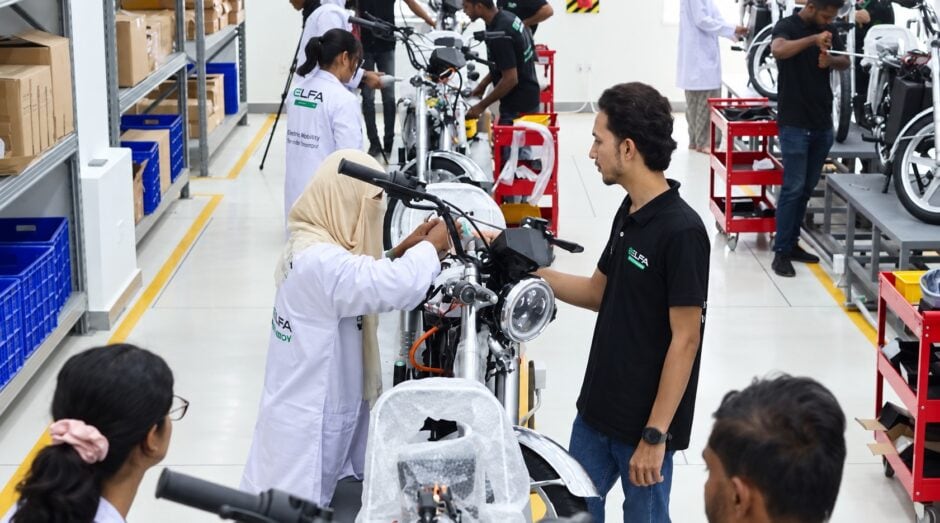
Pakistan’s opportunity is therefore much larger than replacing petrol vehicles with electric ones. We should aim not simply to sell more EVs, but to learn how to build, finance, power and support them. If we do, the benefits can extend across mobility, energy resilience, entrepreneurship, technology, skills and manufacturing. The countries that capture the greatest value from the electric transition will be those that build the ecosystem around it. Pakistan has an opportunity to be one of them.