TikTok has updated its livestreaming rules to ban the use of AI-generated voices and pre-recorded audio in shopping livestreams, requiring sellers to engage with viewers in real time. Under the platform’s updated TikTok Live rules, a new section on prohibited content states: “Don’t use non-real-time verbal interaction such as AI-generated voices, audio recordings, or radio.”
TikTok said broadcasters must “engage directly with your viewers using real-time verbal or sign language communication and demeanor that is appropriate for all users.” Livestreams relying on AI-generated voices or pre-recorded audio instead of live communication are now classified as non-compliant content, putting sellers at risk of penalties or removal if they continue the practice.
The update appears to run counter to TikTok’s steady push to integrate more AI tools across the app, including AI-powered digital avatars designed to broadcast on a brand’s behalf. When TikTok first introduced AI avatars for video in 2024, a key selling point was that virtual characters could increase promotional frequency without requiring a live human presence.
AI livestreamers have also become a major business on Douyin, TikTok’s China-only counterpart, where Sixth Tone reports more than 993,000 digital avatar companies are registered, offering low-cost virtual hosts capable of streaming around the clock.
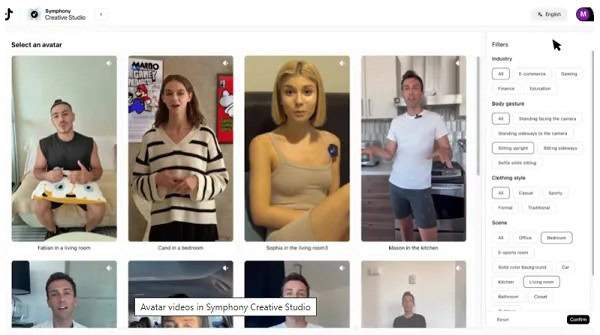
The new rules include one notable carve-out: broadcasters are barred from using “animated figures or content that covers more than 50% of the screen,” suggesting smaller virtual characters might remain compliant even as AI-generated audio does not. The change likely stems from abuse of the system, with some sellers running repetitive, fully automated AI messages throughout the day, degrading the viewer experience.
The likely explanation comes down to misuse. Some brands appear to have exploited the feature, running endless loops of repetitive AI-generated messages throughout the day, which dragged down the overall viewing experience. Viewers who find livestreams tedious or robotic tend not to return, and TikTok evidently considers this drop-off serious enough to warrant a direct policy fix.
Poor-quality livestreams discourage repeat viewership, and TikTok appears to view the problem as significant enough to require explicit policy action, even as the broader industry pushes deeper into AI-generated content and the company continues expanding its own AI ad tools through Symphony.