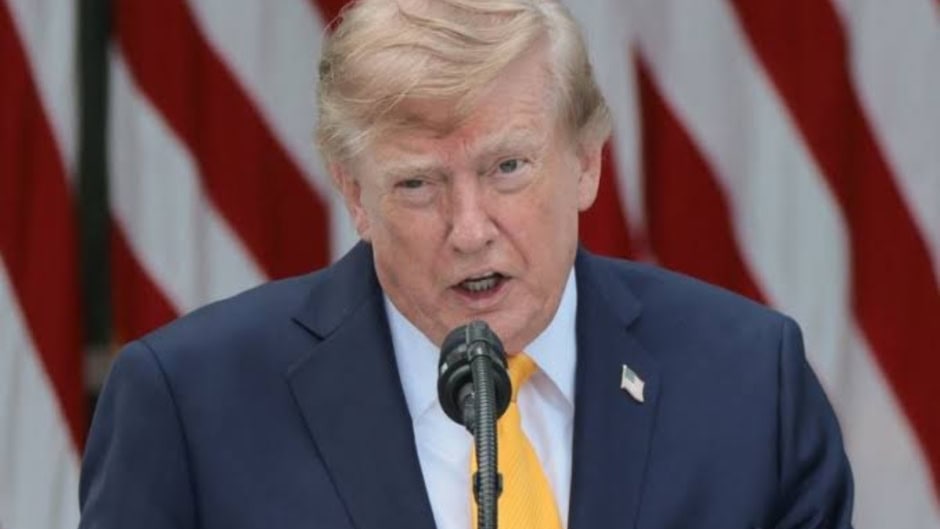
President Donald Trump has firmly rejected any notion of slowing down AI development. His verdict arrived, fittingly, while he watched golf at his Doonbeg resort in Ireland. Reporters asked about the industry’s sudden appetite for caution. Trump was distinctly unimpressed by the whole idea.
His reasoning was refreshingly simple. The US leads China, he wants it staying that way, and, as he put it, “whoever wins with AI wins.” Consequently, the race matters more than the hand-wringing around it.
Trump did technically leave the door open to safety measures. He conceded guardrails were something the administration could do. However, he named exactly none of them. Instead, he labeled those requesting caution “negative forces” raising things that “won’t happen.”
The awkward part is who those “negative forces” actually are. Just two days earlier, Anthropic’s Dario Amodei urged the industry to slow down. He committed his company to third-party evaluators with real internal access. He even asked Washington for an antitrust waiver to coordinate on safety.
Then his rivals lined up behind him. OpenAI’s Sam Altman agreed the same day and pledged to match it. Elon Musk, rarely one to echo competitors, reportedly agreed too. So the plea Trump brushed aside came from the three labs building America’s frontier models.
The discomfort runs deeper still within the industry. Recently, OpenAI’s own chief scientist admitted no lab has solved alignment sufficiently. Moreover, over 1,100 lab employees signed a July letter. They asked the government itself to help pace development.
Trump, to his credit, has stayed on message. Days earlier, he dismissed AI extinction fears outright. He also pegged the American lead over China at about a year. Sunday’s answer merely softened from “no” to “maybe, eventually, somehow.”
Meanwhile, Congress is quietly working a different angle entirely. Speaker Mike Johnson conceded the country needs “some guardrails.” Yet the real punchline sits in the budget. In May, the administration began underwriting AI exports through the Export-Import Bank. Essentially, it is funding the very companies now begging it to slow them down.