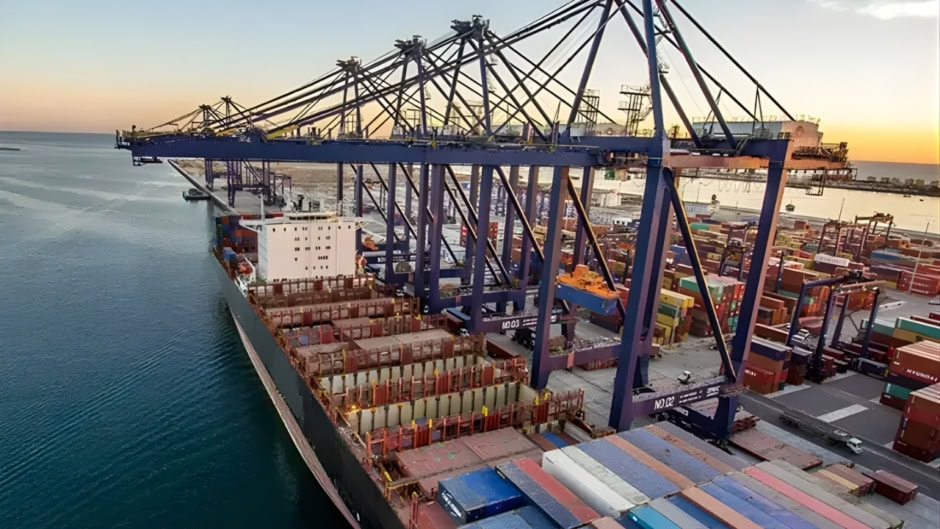
In a major boost to Pakistan’s maritime and trade sectors, Pakistan and its territorial waters have been removed from the Lloyd’s Market Association Joint War Committee (JWC) Listed Areas, ending more than two decades of war-risk designation. The move is expected to reduce the war-risk insurance premium on ships calling at Pakistani ports to zero, significantly lowering shipping costs and enhancing the country’s competitiveness in global trade.
The announcement was made by Federal Minister for Maritime Affairs Muhammad Junaid Anwar Chaudhry while addressing the 2nd Pakistan Logistics and Shipping Summit (PLSS) 2026 in Islamabad on Thursday.
Pakistan had remained on the JWC’s list since the United States launched military operations in Afghanistan following the September 11, 2001 attacks. The designation had imposed additional war-risk insurance premiums and surcharges on vessels operating in Pakistani waters.
Speaking at the summit, the minister said the removal from the list would strengthen the confidence of international shipping companies, traders, and investors while improving the competitiveness of Pakistani exports. He added that the decision would also enhance the appeal of Karachi Port, Port Qasim, and Gwadar Port as regional hubs for shipping, transit, and transshipment.
The minister revealed that the government formally took up the matter on March 13, 2026, after determining that Pakistan had continued to remain on the list despite significant improvements in the country’s maritime security environment.
He said Prime Minister Shehbaz Sharif constituted a special committee, headed by the Maritime Affairs Ministry, comprising representatives from ports and the private sector. The committee held extensive negotiations with Lloyd’s officials, presenting technical evidence and security data that ultimately secured Pakistan’s removal from the war-risk list.
“The war-risk premium had remained fluctuating over the years, but now it has become zero,” the minister said, adding that the decision would reduce the financial burden on maritime trade, boost exports, and support the government’s vision of transforming Pakistan into a regional logistics, transit, and transshipment hub.
The Pakistan Logistics and Shipping Summit (PLSS) 2026 brought together senior government officials, policymakers, representatives of financial institutions, logistics and shipping companies, freight forwarders, maritime experts, trade bodies, the armed forces, and the management of Pakistan’s three major ports.
Chairman of the Karachi Port Trust (KPT), Rear Admiral (Retd.) Shahid Ahmed, highlighted the port’s 138-year legacy and said KPT was moving towards becoming a smart port through new initiatives aimed at facilitating growing transit and transshipment trade, particularly in light of evolving regional shipping dynamics.
Founder and CEO of Galaxefi, Asif Pervez, said the summit was conceived as a national platform to bring together policymakers, regulators, industry leaders, financial institutions, and development partners to shape the future of Pakistan’s logistics and maritime sectors. He said the summit’s recommendations would form part of the PLSS Islamabad Summit Declaration, paving the way for a National Action Agenda aimed at increasing Pakistan’s container throughput beyond 3.5 million TEUs.
Industry representatives, including Pakistan Ship’s Agents Association (PSAA) Chairman Muhammad Rajpar, also highlighted emerging opportunities for Pakistan’s maritime and logistics sectors following the landmark decision.