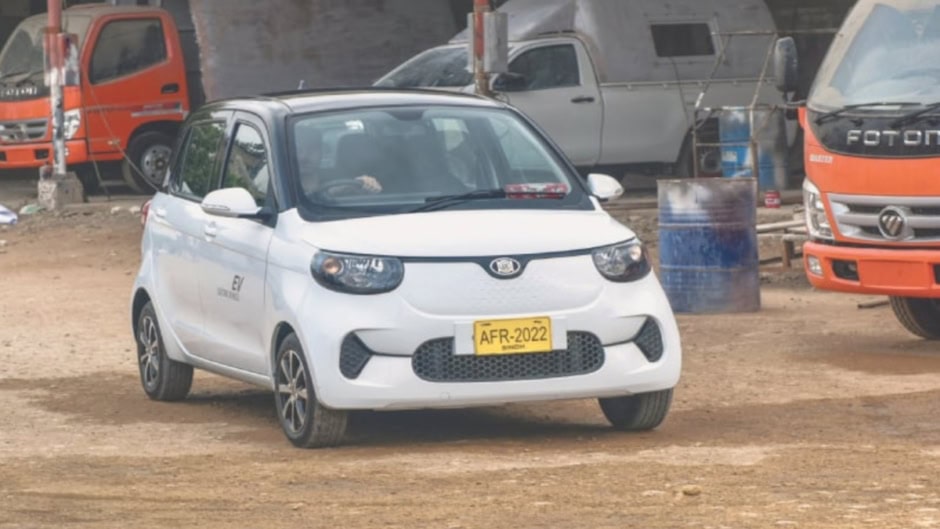
The EV price decrease in Pakistan may soon become a reality as the federal government is set to approve the long-awaited National Electric Vehicle (NEV) Policy next week. The move signals a significant push toward clean, sustainable transportation across the country.
According to government sources, the draft policy—developed by the Ministry of Industries in collaboration with major stakeholders—has already been submitted to Prime Minister Shehbaz Sharif. Upon approval, it will be forwarded to the federal cabinet for formal endorsement and subsequent implementation.
The NEV policy sets an ambitious goal: ensuring that more than 30% of all new vehicle sales in Pakistan by the year 2030 are electric. The strategy aims to reduce emissions, lower fuel dependency, and make eco-friendly transport more accessible to the masses.
Government Pushes Forward with Electric Incentives
As part of this initiative, the policy outlines generous financial incentives expected to contribute directly to the EV price decrease in Pakistan. These include:
- Rs50,000 subsidy on each electric motorcycle
- Rs200,000 subsidy on each electric three-wheeler (rickshaw)
- A total of Rs4 billion has been allocated by the federal government to fund these subsidies, making electric vehicles more affordable for average consumers.
Additionally, the NEV policy offers infrastructure and regulatory support to establish EV charging stations nationwide, helping pave the way for widespread adoption of electric mobility.
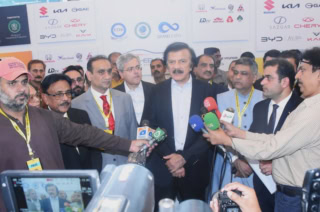
On Thursday, Haroon Akhtar Khan, Special Assistant to the Prime Minister, met with a delegation from COMSATS to review advancements in EV technology, including the retrofitting of existing petrol-powered motorcycles with electric systems.
The meeting was attended by key officials including Industries Secretary Saif Anjum, COMSATS Executive Director Nafees Zakaria, and Khuda Bakhsh Ali, CEO of the Engineering Development Board. The discussion focused on fostering innovation and creating a localized EV manufacturing ecosystem.
With the NEV policy’s approval on the horizon, Pakistan moves a step closer to embracing electric transportation, reducing environmental impact, and offering cost-effective solutions to the public through a possible EV price decrease in Pakistan.