AI agents are expected to soon make autonomous purchasing and scheduling decisions for consumers. But a new startup argues these agents are missing something fundamental: they don’t actually understand the humans they’re working for.
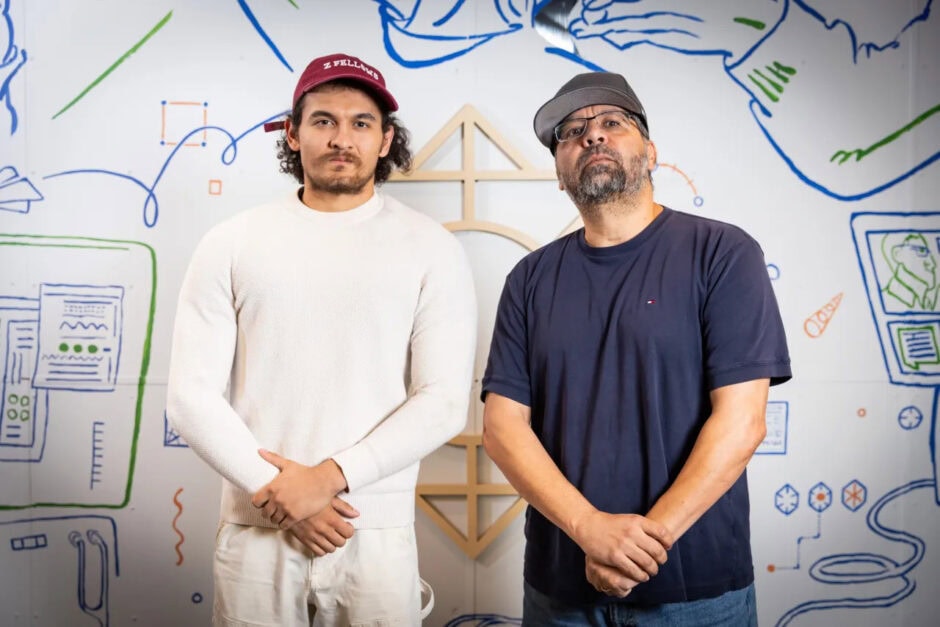
Nyne, founded by father-son duo Michael and Emad Fanous, is building infrastructure that helps AI agents piece together a person’s identity and interests across their entire digital presence. The problem, according to CEO Michael Fanous, is that today’s AI systems struggle to recognise that a person’s professional profile, their social media activity, and their public records all belong to the same human being.
The company announced on Friday that it has raised $5.3 million in seed funding led by Wischoff Ventures and South Park Commons, with angel participation from Gil Elbaz, co-founder of Applied Semantics and a pioneer behind Google AdSense.
Nyne’s approach involves deploying millions of agents across the internet to analyse public digital footprints, then applying machine learning to connect the dots. The system can triangulate information about a person by looking across major social networks as well as niche platforms like SoundCloud and Strava. The resulting profile gives AI agents a richer understanding of a person’s interests, habits, and preferences.
The pitch to companies is straightforward: as more businesses deploy consumer-facing AI agents, they can plug into Nyne to give those agents real-world context about both existing and potential customers. Fanous says the platform can provide any piece of information useful for determining the right next action, whether that’s a product recommendation, a scheduling decision, or an outreach message.
While Google already excels at this kind of identity resolution through its exclusive access to search histories and cross-platform activity, Fanous argues that advantage will never be shared with external agents. For everyone else building in the AI agent ecosystem, the problem remains unsolved.
The investor backing the deal sees a large market. Any company using AI agents to interact with customers will need this kind of data layer, according to Wischoff Ventures founder Nichole Wischoff, who called it “an oddly hard problem to solve.”
As for the family dynamic at the company’s core, the younger Fanous says the arrangement creates a level of commitment that typical co-founder relationships lack.
“If I have to ping him at three in the morning to finish a launch, I know he’s going to still love me the next day,” he said.