At its annual IAB NewFronts presentation on March 26 in New York, Meta unveiled a suite of new advertising options centered on Reels, creator partnerships, and AI-powered creative tools, signaling the company’s aggressive push to keep brands spending on its platforms as the digital advertising landscape grows more competitive.
The announcements come as Meta doubles down on short-form video and artificial intelligence, two areas the company sees as central to its advertising future.
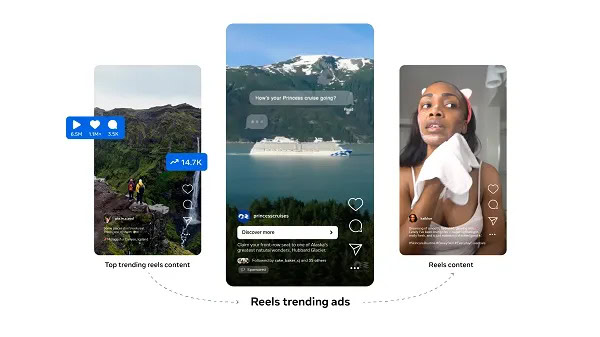
The headline announcement was an expansion of Reels trending ads, a format first rolled out to advertisers last September that places brand content alongside popular short-form videos. Meta is now introducing content lineups tied to major cultural moments such as Fashion Week, Formula 1, Black Friday, and NFL games, giving advertisers more opportunities to reach audiences during peak engagement windows.
The bet is straightforward: brands want to show up where attention already is, and tying ad placements to cultural tentpole events is one way to guarantee that. According to Meta’s internal data, Reels trending ads deliver an average 6.6% incremental lift in ad recall compared to control groups, a figure Meta is clearly hoping will convince more advertisers to buy in.
The company is also adding new trending content categories including TV & Movies, Travel, Business, and Finance & Investments, broadening the appeal beyond entertainment-focused brands.
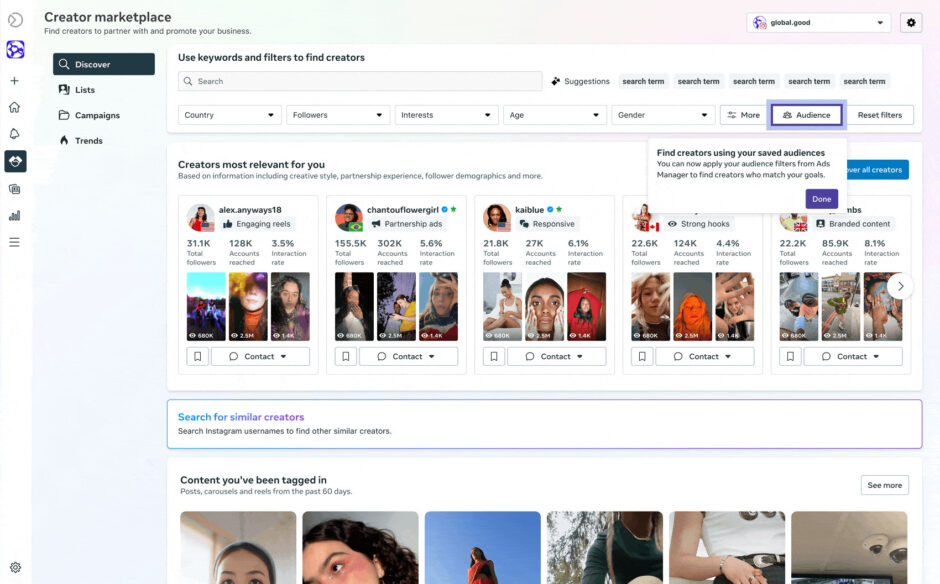
On the creator economy front, Meta said Instagram’s Creator Marketplace now has more than 1.5 million discoverable creators, positioning it as the largest destination for businesses looking to find and evaluate partnership opportunities.
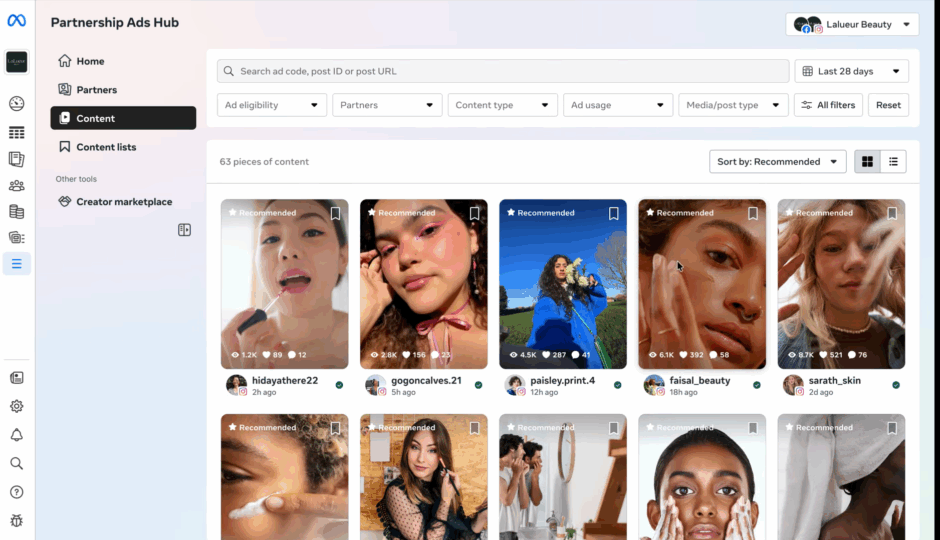
Scale is one thing; usability is another. To that end, Meta redesigned its Partnership Ads Hub with expanded insights and a new layout to make creator discovery easier. The company also plans to provide more options for recommended creator content, giving businesses a wider pool of creators to work with.
Artificial intelligence was the thread running through virtually every announcement. Meta introduced an AI-generated voiceover tool that lets marketers enhance existing video assets and is testing UGC-style product videos featuring AI avatars, a development that could dramatically reduce the cost and turnaround time for producing ad creative, though questions remain about how audiences will respond to AI-generated spokespersons.
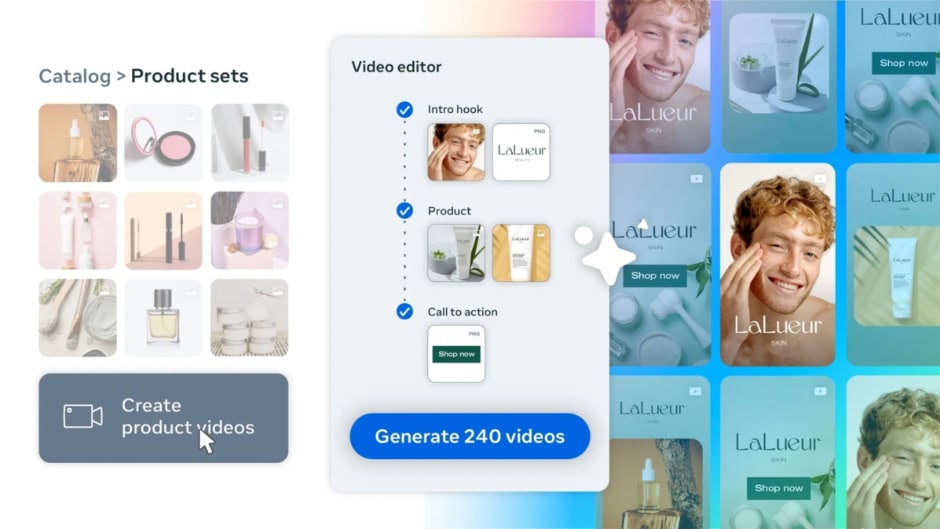
The company also announced generative AI translation features, including video voiceover and overlay translation into multiple languages, and is testing automated video generation directly from product catalog listings. For global brands managing campaigns across dozens of markets, automated translation alone could represent a significant efficiency gain.
The ambition behind all of this is sweeping: with plans to increase AI spending by at least 60% this year, Meta aims to fully automate ad creation on its platforms by the end of 2026.
Meta’s presentation came against the backdrop of a busy NewFronts week where platforms across the industry emphasized performance-based measurement and AI-driven solutions as competition for advertising dollars intensifies.