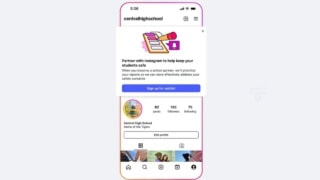
Google just made it easier for businesses to create video ads without ever picking up a camera. As part of its March “Demand Gen Drops” update, the company announced three new features for its Demand Gen ad campaigns, the biggest being an AI tool that turns still images into videos automatically. The news dropped the same week Meta rolled out similar tools at its IAB NewFronts event, a clear sign that AI-generated advertising is no longer experimental but something both tech giants now expect marketers to use.
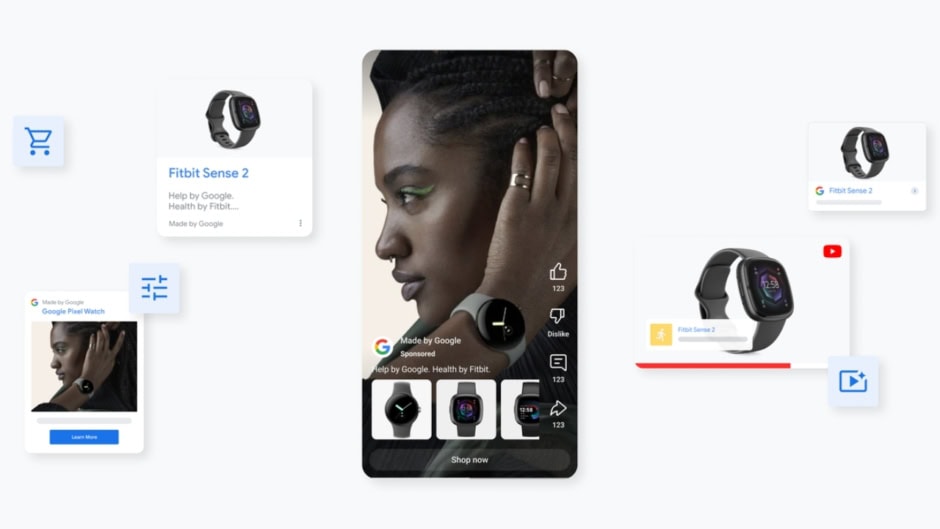
The standout feature is the arrival of Google’s Veo AI video model inside Google Ads. Veo 3.1, which Google launched in January, can take static images an advertiser already has and generate multiple video versions in different sizes and formats. That means a brand that only ever ran image ads can now have video content running across YouTube Shorts, Discover, and Gmail without hiring a production team or spending weeks in editing. The generated videos plug directly into Google’s Ad Strength system, so campaigns can automatically test more creative combinations and potentially reach more people without the advertiser building each version by hand. For small businesses or lean marketing teams that always saw video advertising as something they couldn’t afford, this changes the math considerably.
Google is also bringing YouTube creators closer to the advertising process. Advertisers can now find creators and pull their content into Demand Gen campaigns directly through Google Ads, rather than managing those partnerships separately. Google says creator content running on YouTube Shorts delivered a 30% average increase in conversion lift while keeping cost-per-acquisition steady, based on a year’s worth of data from January 2025 through January 2026. It is the same direction Meta is heading with its expanded Creator Marketplace, and it reflects something the industry has been learning for a while now: ads that look and feel like creator content tend to perform better than polished brand-produced spots, especially in short-form video feeds where users scroll past anything that feels like a traditional commercial.
The third addition is a new YouTube Engagements goal that connects paid advertising to organic channel growth. Once a Google Ads account is linked to a YouTube channel, advertisers can set their campaigns to optimize for channel subscriptions or follow-on views, meaning people who keep watching after they see an ad. The pitch here is straightforward: instead of treating every ad dollar as a one-time transaction, brands can use paid campaigns to build an audience that sticks around. For companies already putting effort into their YouTube presence, this closes a gap that has frustrated marketers for years, the disconnect between what they spend on ads and what it does for their channel.
These updates are part of a monthly rollout Google started last year called Demand Gen Drops. Previous rounds added shoppable TV ads with QR codes, branded search attribution, travel feed integration, and controls that let advertisers pick exactly where their ads show up, including YouTube Shorts specifically. Google says that over the past year, Demand Gen campaigns have delivered 26% more conversions per dollar, powered by more than 60 AI-driven improvements working behind the scenes.
The bigger takeaway is that Google and Meta are now locked in a parallel race to automate as much of the ad creation process as possible. Both platforms want advertisers to hand over images, product catalogs, or a link to a creator’s page and let AI handle the rest, from generating the video to picking the right format to choosing where it runs. Whether that actually produces better advertising or just more of it is a question the industry is still answering, but the direction is clear: the era of manually building every ad from scratch is winding down fast.