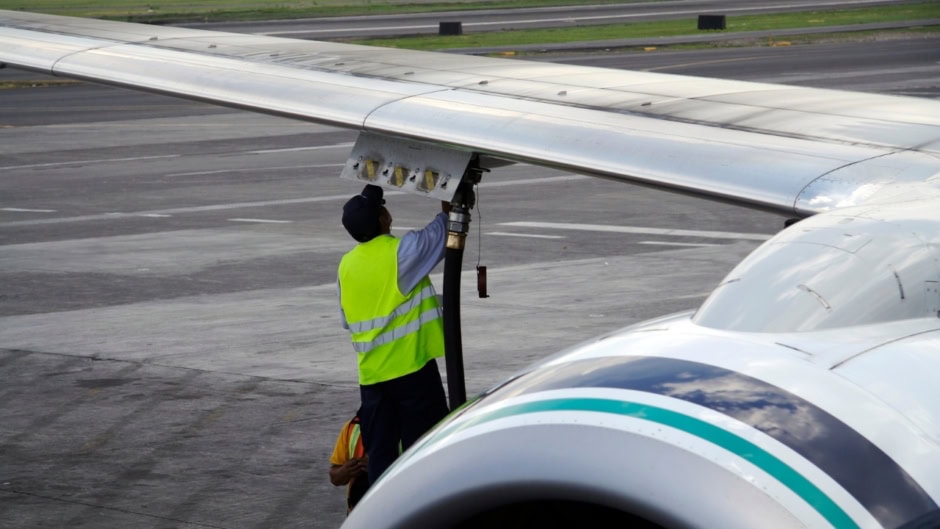
Prime Minister (PM) Shehbaz Sharif chaired a high-level review meeting today, March 30, 2026. The session focused on the impact of the ongoing Gulf crisis on petroleum products. During the meeting, officials confirmed that jet fuel prices remain completely unaffected. This stability continues despite a recent levy hike on high-octane fuel used in luxury vehicles.
The Prime Minister emphasized that the government will not abandon economically weaker segments of society. Consequently, he has repeatedly rejected proposals to increase oil prices. The administration aims to provide maximum relief to the poor and middle class during this difficult time.
Austerity Measures & Public Relief
The government is aggressively reducing its own expenditures to save funds. For instance, the Prime Minister significantly reduced the development budget. Furthermore, authorities have taken 60% of government vehicles out of service.
The government redirects these saved funds toward public relief programs. Moreover, the administration is strengthening coordination with provincial governments. This effort aims to complete the ownership registration of motorcycles and rickshaws. Once registered, these owners can benefit from upcoming targeted relief measures.
Digital Monitoring & Supply Chain Security
The Prime Minister’s Office is now using technology to ensure transparency. A new digital dashboard currently monitors the entire petroleum supply chain. This system tracks demand and supply regularly to prevent shortages.
During the meeting, the Prime Minister reviewed a detailed briefing on fuel conservation and future action plans. Additionally, the Intelligence Bureau presented an audit report regarding the implementation of fuel-saving measures.
Sufficient Fuel Stocks Confirmed by PM Shehbaz Sharif
Prime Minister Shehbaz Sharif assured the nation that Pakistan holds sufficient quantities of petroleum. Timely government decisions have secured enough stock to meet all national requirements.
Currently, the government monitors the demand and supply chain around the clock. These measures ensure that the country remains prepared for any fluctuations caused by the international crisis. Transitioning to a more efficient system, the government remains committed to protecting the public from global price shocks.