The Karachi Board Matric examinations for Classes 9 and 10 began with irregularities, as the Class 10 Computer Science paper was leaked before the morning shift.
The paper leak immediately raised concerns over examination security, exposing vulnerabilities in the system on the opening day of the annual examinations across Karachi.
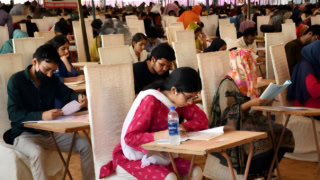
Students faced severe difficulties during the examinations, with classrooms lacking fans and candidates forced to sit in extreme heat without basic facilities or proper arrangements.
At Government Boys Secondary School Malir, students attempted papers in hot conditions, as classrooms reportedly had no fans or arrangements for comfortable examination environments.
The situation drew criticism over mismanagement and lack of preparedness, with claims of providing facilities to students appearing unfulfilled during the ongoing examinations.
Meanwhile, the Karachi Board chairman announced relief for matric students, allowing those missing exams on the first day to attempt papers at the nearest available centers.
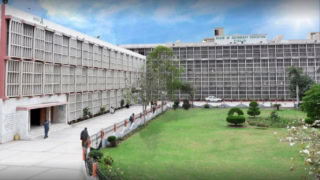
During a visit to Pilot Girls Higher Secondary School Nazimabad, he confirmed superintendents were instructed to accommodate students unable to reach assigned centers for examinations.
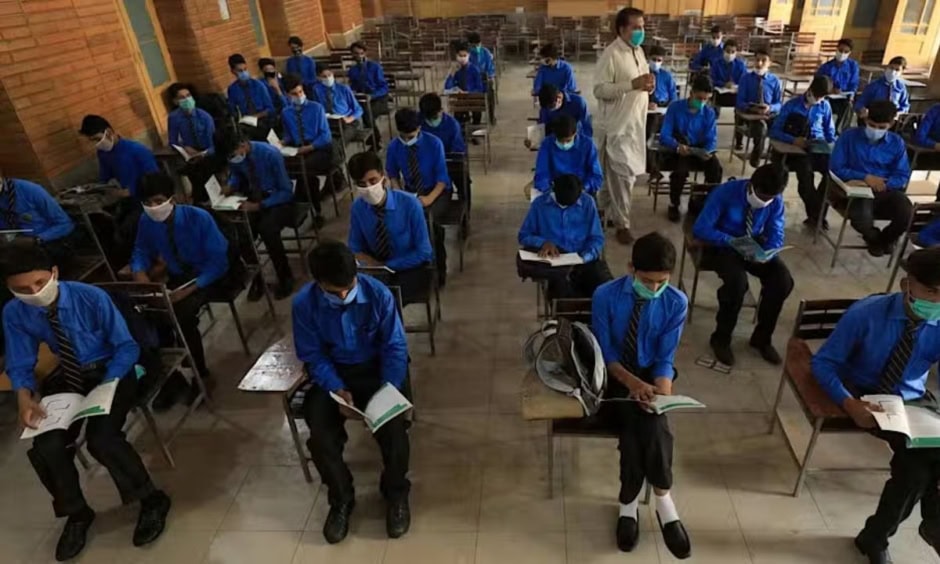
Authorities established 521 centers and formed 51 vigilance teams, while more than 385,000 students appeared peacefully across Karachi during the ongoing matric examinations.
The chairman admitted reduced centers in public schools resulted from teacher non-cooperation and furniture shortages, while monitoring rooms ensured secure delivery of question papers to centers.
Earlier this week in Naushahro Feroze, the tenth class Urdu paper surfaced prematurely, circulating among students before official distribution, undermining assurances of transparency from the education department.
Students reportedly received solved versions of the leaked paper through WhatsApp groups, with some paying for access, highlighting widespread malpractice during the examination process.
Inside examination centres, students openly used mobile phones to solve papers, despite prior warnings from authorities promising strict action against cheating and paper leaks.