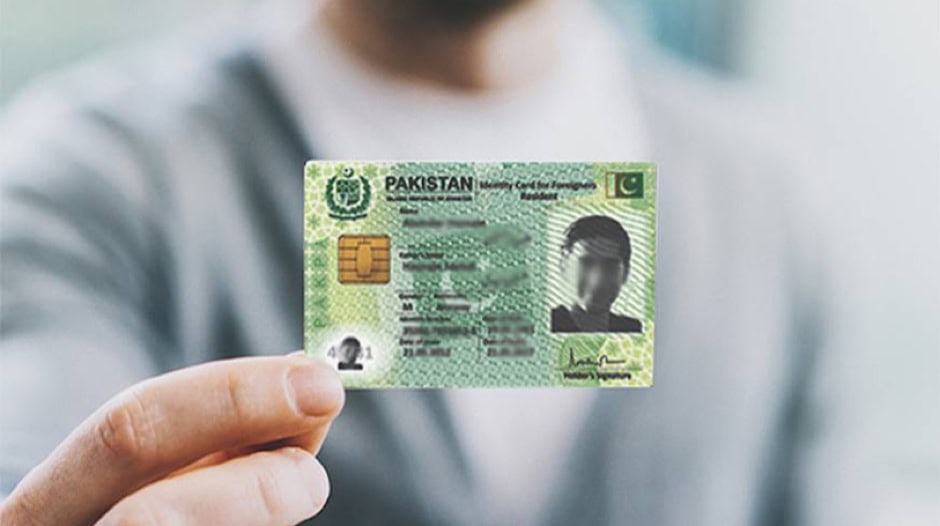
The National Database and Registration Authority (NADRA) has updated its rules for issuing Computerised National Identity Cards (CNICs) in Pakistan. The new changes focus on simplifying the application process and improving document security.
Under the revised regulations, providing a signature is now optional for first-time CNIC applicants. If an applicant does not provide a signature, the system will enter “NA” in the signature field on the CNIC.
However, NADRA has made it clear that no thumb impression or any other mark will replace the signature on the identity card. In addition, thumbprint images will not be printed or used on CNICs due to concerns over forgery and misuse.
The authority also confirmed that applicants are discouraged from uploading thumbprint images when using the mobile application. This step is part of efforts to reduce risks linked to identity fraud.
At the same time, NADRA has started an awareness campaign for people who are illiterate or unable to sign. The campaign aims to guide applicants on how to correctly complete their CNIC applications under the updated system.
Officials explained that the changes are designed to make the process more transparent. They also aim to simplify how citizens apply for and receive identity documents across the country.
Meanwhile, NADRA clarified that any addition or change to a signature on an existing CNIC will not be automatic. Instead, applicants must submit a formal correction request to update their record.
This requirement ensures that identity records remain accurate and properly verified. It also helps maintain control over sensitive personal data within the national database.