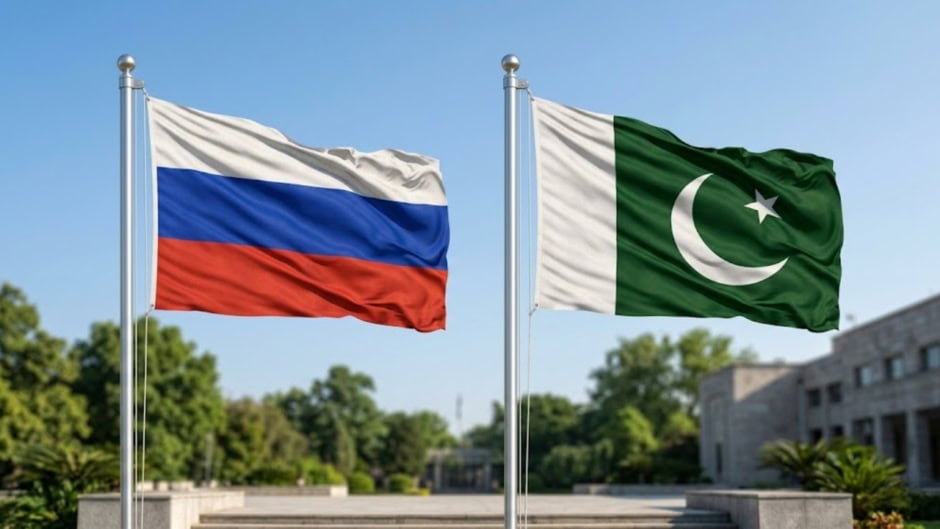
Russia has offered to cooperate with Pakistan in strengthening cyber protection of energy infrastructure amid rising global concerns over cyber threats targeting critical utilities, with proposals including joint programs and working groups to enhance sector resilience.
Russian Energy Minister Sergei Tsivilev conveyed the offer in a letter to Minister for Power Sardar Awais Ahmad Khan Leghari, according to officials familiar with the development. The Russian minister highlighted increasing cyber risks to energy systems and stressed the need for coordinated and proactive responses, noting that such threats extend beyond national borders.
Russia has proposed developing a joint program to assess and enhance cyber resilience across Pakistan’s energy sector, aimed at strengthening institutional capacity and protecting critical systems from sophisticated cyber attacks. The initiative reflects growing recognition of vulnerabilities in digitalized energy infrastructure.
To implement the initiative, Russia suggested engaging Cyberus, a private foundation that works with industry stakeholders and cybersecurity experts. Cyberus serves as a partner to Russia’s Ministry of Energy in safeguarding energy infrastructure and would bring specialized expertise to the collaboration.
The proposal includes setting up a joint inter-agency working group comprising government institutions and companies from both countries to develop and execute the program. The working group would coordinate efforts across multiple agencies to ensure comprehensive protection measures.
The development comes as Pakistan and Russia expand cooperation across multiple sectors, including energy, trade, and technology. Energy remains a key area of engagement, with both sides exploring collaboration in oil and gas, liquefied natural gas and liquefied petroleum gas supply, renewable energy, hydropower, and water management technologies.
In November 2025, the two countries signed three memoranda of understanding during the Pakistan-Russia Intergovernmental Commission meeting, covering quality standards, anti-monopoly regulation, and media cooperation. The agreements demonstrated deepening bilateral ties following years of limited engagement during the Cold War era.
Officials said the proposed cybersecurity collaboration aligns with Pakistan’s ongoing digital transformation in the power sector, including the rollout of smart grids and advanced metering systems. While such technologies improve efficiency and reduce transmission losses, they also increase exposure to cyber risks by creating multiple potential entry points for malicious actors.
Pakistan’s energy sector has undergone significant digitalization in recent years, with utilities adopting supervisory control and data acquisition systems, automated distribution management platforms, and internet-connected monitoring devices. These advancements enhance operational capabilities but require robust cybersecurity frameworks to prevent disruption or data theft.
The proposal comes amid a broader global pattern of increased cyber threats against energy infrastructure. Recent years have seen multiple high-profile attacks targeting power grids, oil pipelines, and utility control systems worldwide, with ransomware attacks and state-sponsored intrusions posing particular risks.
Energy infrastructure represents a critical vulnerability for developing economies heavily reliant on consistent power supply for industrial production, telecommunications, and essential services. Cyber attacks on such systems can cause widespread economic disruption and affect millions of citizens.
Russia’s offer reflects its positioning as a cybersecurity technology provider despite facing international scrutiny over alleged state-sponsored cyber operations. The country maintains advanced capabilities in both offensive and defensive cyber operations and has sought to expand partnerships with developing nations in this domain.
Pakistan’s power sector has faced multiple technical and operational challenges in recent years, including circular debt, transmission constraints, and aging infrastructure. The addition of cybersecurity concerns adds another layer of complexity to sector management and requires specialized technical expertise.
Officials noted that enhanced protection measures are becoming increasingly urgent as Pakistan continues expanding its renewable energy capacity and integrating variable generation sources into the grid.
Modern grid management systems require real-time data exchange and automated control mechanisms, creating additional potential vulnerabilities.
The proposed collaboration would mark another step in warming Pakistan-Russia relations, which have improved significantly since Pakistan’s accession to the Shanghai Cooperation Organisation in 2017. Both countries have identified energy security as a priority area for bilateral engagement.