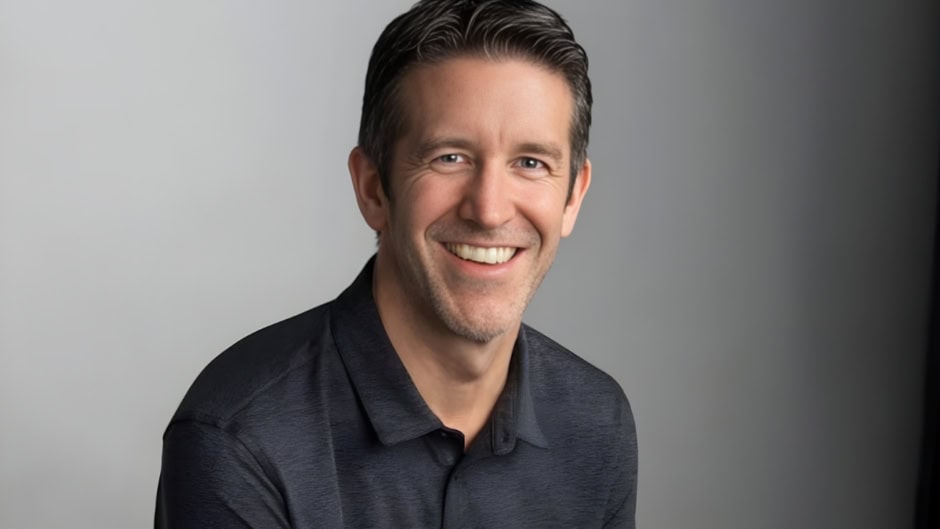
John Ternus, Apple’s senior vice president of hardware engineering, will become chief executive officer of one of the world’s most valuable companies on September 1, succeeding Tim Cook after 15 years of leadership and marking only the third CEO transition in Apple’s modern era.
Ternus has worked at Apple for nearly half of his life, spending 25 years with the company since joining the product design team in 2001 at age 26. Now 51 years old, he represents a younger generation of Apple leadership while maintaining deep institutional knowledge and continuity with the company’s culture.
He joined Apple as only his second job out of college, having previously worked at Virtual Research Systems, a small maker of virtual reality devices.
By 2013, Ternus had risen to vice president of hardware engineering, and was promoted to the senior vice president role in 2021. At 15 years younger than Cook, Ternus was among the youngest of top Apple executives rumored as a possible successor.
Ternus currently leads all of hardware engineering at Apple. This responsibility encompasses the company’s signature products including the iPhone, MacBook, iPad, Apple Watch, AirPods, and Vision Pro headset.
In his 2024 commencement speech at his alma mater, the University of Pennsylvania’s engineering school, Ternus reflected on lessons learned at Apple that offer insight into his leadership philosophy.
“Always assume you’re as smart as anyone else in the room, but never assume that you know as much as they do,” Ternus stated. “With this mindset, you’ll find the confidence you need to push forward, but more importantly, the humility to ask questions.”
Ternus’s earliest project at Apple involved scrutinizing parts for the Apple Cinema Display, an early desktop monitor. He recalled spending time past midnight at a supplier facility using a magnifying glass to count grooves on screw heads, discovering discrepancies between specifications and actual parts.
Most recently, Ternus was involved in production of the MacBook Neo, Apple’s new, more affordable laptop model that lowers costs through clever hardware design tradeoffs, including using an iPhone chip to power the device rather than a traditional laptop processor.
As chief executive officer, Ternus will face significant strategic challenges including steering Apple through efforts to catch up in the artificial intelligence race, where competitors have made substantial advances. He will also need to determine the long-term direction for Vision Pro technology and whether the mixed reality headset can evolve beyond its current niche positioning.
The choice of Ternus signals Apple’s preference for promoting leaders with deep institutional knowledge and long tenure rather than bringing in outside executives. His hardware engineering background also suggests continued emphasis on Apple’s core strength in integrated hardware and software development.