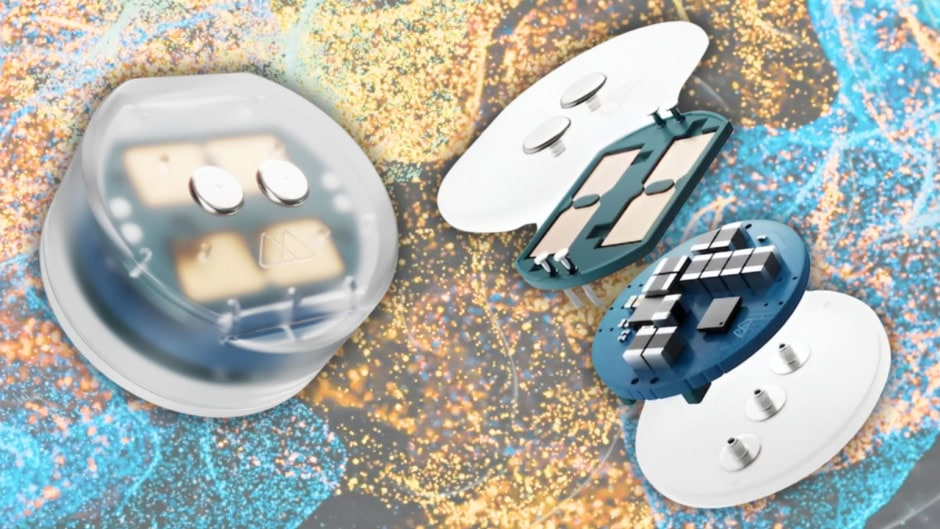
Motif Neurotech received investigational device exemption approval from the United States Food and Drug Administration on April 27, 2026 to begin the first clinical trial of a wireless brain implant designed to treat treatment-resistant depression affecting nearly three million Americans who do not respond to standard medications or therapies.
The Houston-based company will conduct its RESONATE early feasibility study testing the Motif XCS device, built on the firm’s Digitally programmable Over-brain Therapeutic technology that delivers electrical stimulation to brain regions clinically linked to depression symptoms. The approval makes Motif the fastest implantable brain-computer interface company to move from founding to investigational device exemption approval with a novel device, achieving the milestone just four years after establishment.
The Motif XCS device represents a departure from traditional deep brain stimulation implants by positioning the wireless stimulator above the dura mater rather than penetrating brain tissue, reducing surgical risks associated with invasive neurosurgery procedures. The compact device operates without implanted batteries or wired connections, running entirely on wireless power transmission while allowing programmable stimulation parameters that physicians can adjust over time.
Surgeons place the miniature pacemaker-like implant in the skull cavity above the protective membrane covering the brain, where it targets neural circuits shown in clinical studies to influence depression symptoms in adults who have not found relief from two or more medications.
Jacob Robinson, Rice University professor and Motif co-founder who serves as chief executive officer, described the technology as aiming to become “the mental health equivalent of a continuous glucose monitor for diabetes,” providing ongoing therapeutic intervention through precise neural modulation.
“The goal for this technology is that it would be the mental health equivalent of a continuous glucose monitor for diabetes,” said Jacob Robinson. “What has been really special for me personally on this journey is to be able to work all the way from a concept through the process of research and development funded by the federal government at Rice, and take that into a product that is going to affect people’s lives for the better.”
The engineering approach focuses on interacting directly with brain circuits rather than relying solely on pharmaceutical interventions or psychotherapy, addressing a patient population that has exhausted conventional treatment options. Robinson emphasized the significance of advancing a concept through federal government-funded research and development into human clinical trials, marking a transition from laboratory engineering to mainstream mental healthcare applications.
The trial targets individuals with treatment-resistant depression, a condition where patients show inadequate response to multiple standard interventions including antidepressant medications, cognitive behavioral therapy and existing neuromodulation techniques such as transcranial magnetic stimulation or electroconvulsive therapy.
The device delivers gentle electrical pulses to specific brain regions identified through neuroscience research as playing key roles in mood regulation and depressive symptom manifestation. Motif’s wireless architecture eliminates complications associated with battery replacement surgeries and reduces infection risks from percutaneous leads connecting implanted devices to external power sources, potentially improving long-term patient comfort and device durability.
The investigational device exemption approval follows Motif’s launch of a patient registry for the technology in late 2025, allowing the company to identify and screen potential trial candidates meeting specific eligibility criteria for treatment-resistant depression.
The early feasibility study will evaluate both safety and preliminary efficacy outcomes as the device undergoes its first tests in human subjects under controlled clinical conditions. The wireless power delivery system and miniaturized form factor distinguish the Motif XCS from earlier generation implantable neurostimulators that required surgical battery replacements every few years and occupied larger volumes within the skull cavity.
You can read the complete research work here.
Note: If you or someone you know is struggling with depression, support is available, and you don’t have to face it alone.