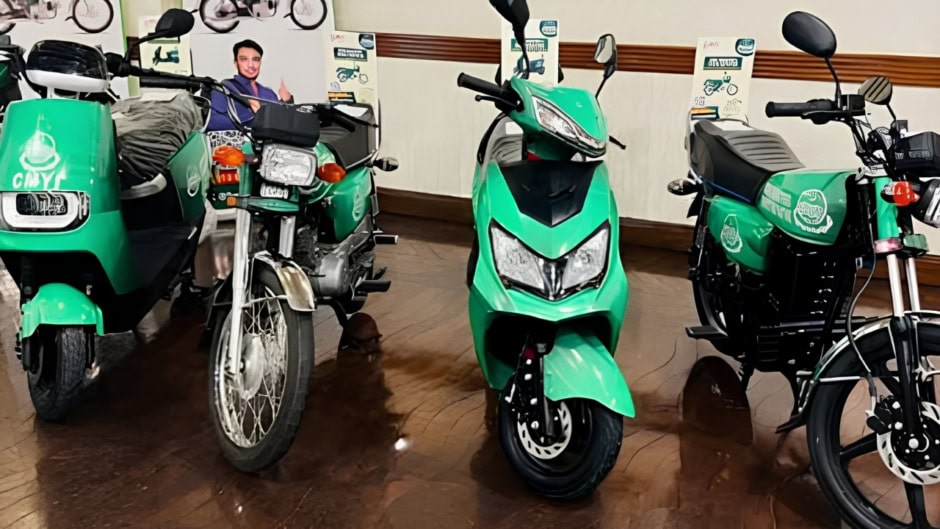
Reportedly, the Economic Coordination Committee (ECC) recently approved a massive Rs. 9.0 billion package for the 2025–26 fiscal year. Consequently, the federal government launched Phase 2 of the Pakistan Accelerated Vehicle Electrification (PAVE) Program. This initiative operates strictly under the New Energy Vehicles (NEV) Policy 2025–30. Specifically, it funds electric bikes, loaders, and rickshaws through a revenue-neutral model backed by the NEV Adoption Levy Act 2025.
During this current fiscal year, the government targets an impressive 119,170 vehicles. This total includes 116,000 electric bikes and 3,170 rickshaws and loaders. Previously, the initial pilot phase successfully distributed 41,000 vehicles. Now, the revised second phase will roll out 76,000 electric bikes alongside 2,170 rickshaws and loaders. Furthermore, the ECC will likely approve a fast-track rollout of another 100,000 electric bikes within three months. This rapid expansion will utilize 130,000 locally available and in-transit CKD kits.
A Revamped First-Come, First-Served System
The government officially killed the previous balloting system. Instead, a strict first-come, first-served mechanism now dictates distribution. Furthermore, Phase 1 waitlisted applicants receive immediate priority based on their exact application timestamps.
Buyers will no longer face the burden of paying the full upfront price. Rather, they only pay the net price after a fixed Rs. 80,000 subsidy deduction per electric bike. Subsequently, the Engineering Development Board (EDB) transfers this subsidy directly to pre-qualified OEMs via the State Bank of Pakistan upon delivery and registration verification. Officials structured this rollout precisely into 200 batches of 500 units each.
PAVE Phase 2: Expanded Access & Special Quotas
Top-performing students also benefit heavily from this policy. The government will distribute 600 free electric bikes to students securing the top three positions across all 26 Boards of Intermediate and Secondary Education in the 2025 HSSC exams. This specific initiative costs Rs. 150 million, valuing each premium bike at Rs. 250,000.
Additionally, federal employees in BS-16 and below get a highly revised self-finance scheme. They only need a minimal down payment of Rs. 10,000 for bikes or Rs. 100,000 for rickshaws. The government easily recovers the balance through interest-free payroll deductions over 6 to 18 months. Moreover, the program broadens its reach significantly. It now welcomes institutional financing, housing-linked public-private partnerships, overseas Pakistanis holding NICOP/POC, SECP-registered NBFCs, and commercial fleet operators.
Streamlined Verification & Economic Impact
Previously, Phase 1 mandatory third-party verifications cost the program over Rs. 500 million. Therefore, officials eliminated this expensive system entirely. They replaced it with a highly efficient risk-based verification model. This new model relies securely on biometric checks, photographic evidence, and digital validation through the program portal. To manage this execution, the EDB will launch a dedicated 14-member unit costing Rs. 32.76 million annually. They also allocated an additional Rs. 37 million for FY2025-26 operational expenses.
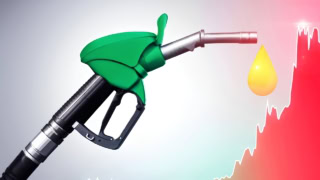
Ultimately, this aggressive EV push will save approximately 8.6 million litres of petrol in the short term. This equates to USD 8 million in immediate savings, with projected economic savings hitting USD 222 million over five years. Phase 1 clearly demonstrated massive public interest by drawing 269,149 applications. Despite limited banking approvals back then, the self-finance segment achieved an outstanding 99.6% delivery success rate, as reported earlier by TechJuice.