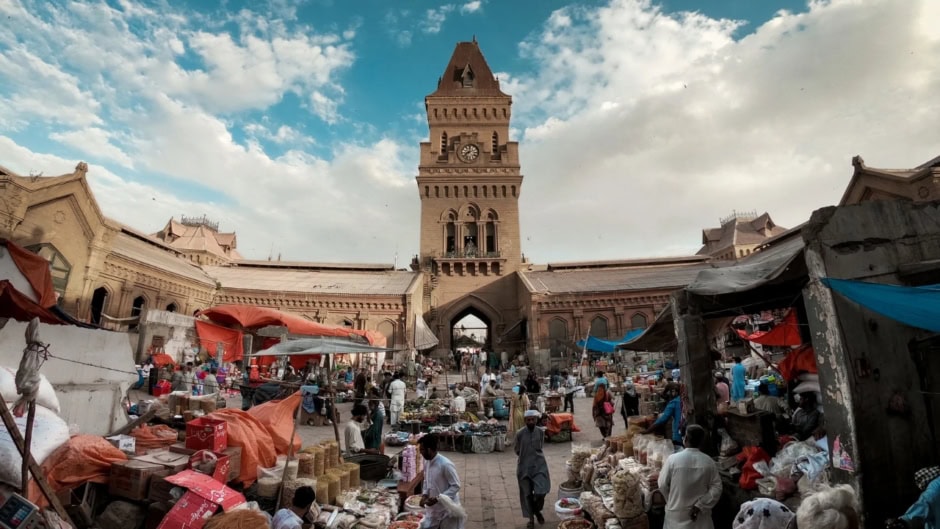
The Government of Sindh has officially relaxed the 8 PM market closure rule. This decision brings significant relief to traders and shoppers ahead of Eid ul Azha. Consequently, commercial activities can now continue past the previously mandated shutdown hours.
Relief for Businesses & Consumers
The new exemption covers all shops, markets, shopping malls, and restaurants. Furthermore, hotels, food outlets, marriage halls, and marquees can now operate without mandatory closure times. Specifically, an official notification dated May 15, 2026, confirmed this major policy shift. Flt Lt (r) Rana Sufian signed the document on behalf of the Chief Secretary. It directly exempts businesses from the previous lockdown notification issued on April 10, 2026.
Senior Minister Sharjeel Inam Memon supported the move. He stated that this step directly facilitates the business community and ordinary citizens. Additionally, he emphasized that increased operational flexibility will boost economic activity. He also described traders and entrepreneurs as the backbone of the economy. Ultimately, the decision aims to improve service availability and public convenience across Sindh.
Market Closure Rule Abolished: Sindh Following Punjab’s Lead
This development in Sindh follows a similar action in Punjab. Just yesterday, the Punjab government suspended its own controversial 8 PM market closure policy until June 1. Initially, the federal government introduced these restrictions as national energy-saving measures. These measures aimed to counter a global fuel crisis stemming from the US-Israeli conflict with Iran.
However, the early shutdown hours sparked heavy criticism. Traders and the general public protested the restrictions strongly. The policy hurt local businesses and severely restricted shopping times for office workers. Moreover, the early closures clashed with evening shopping habits typical during hot weather. Previously, Pera officials strictly enforced the rule by sealing shops and imposing harsh fines.
Consequently, the Lahore Chamber of Commerce and Industry welcomed Punjab’s reversal. They called it a positive step for economic recovery and job protection. Meanwhile, leaders in Khyber Pakhtunkhwa are also considering easing similar restrictions to support local businesses.