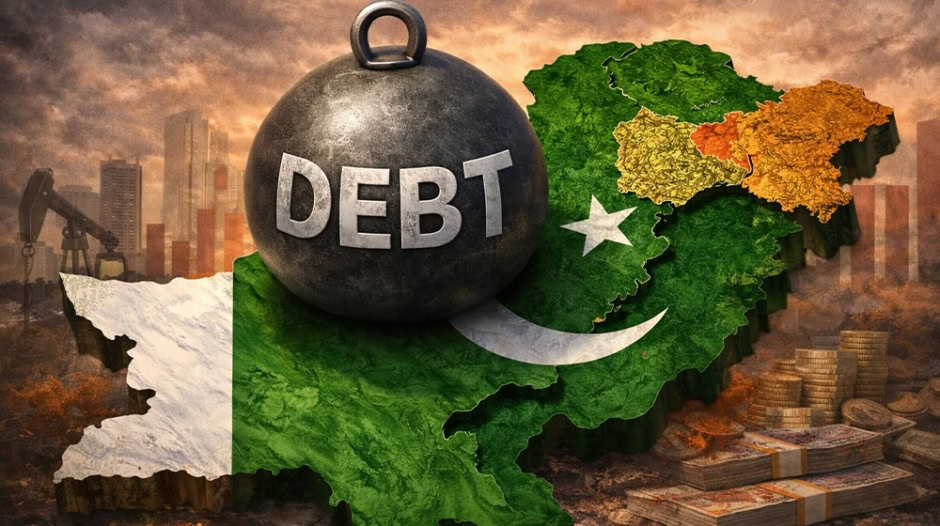
Pakistan’s energy sector circular debt has climbed to Rs. 5.206 trillion, highlighting growing financial pressures on the country’s electricity and gas sectors, according to the latest report by the International Monetary Fund.
The report stated that the gas sector accounts for Rs. 3.442 trillion of the total circular debt, while the power sector contributes approximately Rs. 1.764 trillion.
According to the IMF, the combined liabilities of Pakistan’s energy sector continued to rise into early 2026 despite ongoing reform measures, tariff revisions, and government efforts aimed at improving financial sustainability.
The Fund noted that Pakistan’s electricity and gas sectors remain under severe financial stress due to inefficiencies, transmission losses, subsidy burdens, and weak recovery mechanisms.
Officials informed the IMF that the government is continuing reforms focused on tariff rationalization, reduction of untargeted subsidies, and improvement of cost recovery across the energy chain.
As part of commitments made under the IMF programme, Pakistan has assured the lender that regular tariff adjustments in both electricity and gas sectors will remain in place to contain losses and stabilize the sector financially.
The government has also pledged to gradually phase out untargeted subsidies and transfer accumulated liabilities in the power sector to the Central Power Purchasing Agency.
In addition, the reform strategy includes imposing additional electricity surcharges on consumers to help repay the principal debt accumulated within the power sector.
Analysts warn that the growing circular debt remains one of Pakistan’s biggest economic challenges, putting continued pressure on public finances, energy tariffs, and future negotiations with international lenders.