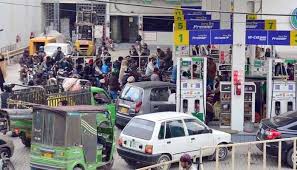
The Ministry of Finance has submitted a written report to the Senate detailing recent subsidies on petroleum products. The report explains how the government is managing fuel relief measures across the country in 2026. It also outlines the structure of ongoing subsidy programs. Moreover, it highlights coordination between federal and provincial authorities.
According to the ministry, the Prime Minister’s Relief Fund for austerity has been established to support citizens. This fund is designed to ease financial pressure on the public in 2026. It focuses on providing targeted relief where it is most needed. The government says the initiative is part of broader fiscal support efforts.
In March, the government released Rs 128 billion to the Oil and Gas Regulatory Authority. This was done to ensure uniform fuel subsidies across all segments of society. The move aimed to stabilize prices and reduce public burden. It also helped maintain consistency in fuel support nationwide.
In April, a targeted subsidy program was launched in collaboration with provincial governments. The Ministry of Finance said this improved coordination between different levels of government. Under this setup, provinces also contributed to the relief structure. This joint approach strengthened the overall subsidy system.
Under this arrangement, the federal government allocated Rs 23 billion for petroleum subsidies. Provincial governments initially added Rs 33 billion to support the program. The Ministry of Finance said this combined effort increased the scale of relief. It also ensured wider coverage for eligible groups.
The ministry added that subsidy payments are released through the State Bank of Pakistan. These payments are made based on data provided by provincial governments. This system helps ensure accuracy and transparency in fund distribution. It also reduces delays in transferring financial support.
The subsidy scheme is being supervised by a committee headed by Deputy Prime Minister Ishaq Dar. This committee monitors implementation and reviews progress regularly. It ensures that the program remains transparent and effective. It also addresses any issues in execution when needed.
Under the program, motorcycles are included in a support package. Eligible users can receive up to 20 liters per month for three months at Rs 100 per liter. This aims to reduce transport costs for daily commuters. It particularly supports low-income riders across the country.
Small farmers are also part of the relief initiative. They receive a one-time assistance of Rs 1,500 per acre under the scheme. This support helps reduce input costs in agriculture. It also strengthens financial stability in the farming sector.
Inter-district public transport is receiving financial support for three months. The government aims to reduce travel costs for passengers across regions. This step is expected to ease inflationary pressure on commuters. It also helps maintain affordable transport services.
The ministry also said Pakistan Railways has been provided assistance. This support is aimed at preventing an increase in train fares. It ensures that passengers are not burdened with higher travel costs. It also helps maintain stable public transport pricing.
The Ministry of Finance stated that the Prime Minister has tasked the Ministry of Planning. The assignment is to evaluate the economic impact of the Middle East conflict on Pakistan. A technical working group has been formed for this purpose. This group is actively reviewing the situation.
During the first half of the current fiscal year, Rs 827.6 billion was collected under the petroleum development levy. This reflects strong revenue collection from petroleum consumption. The funds contribute to the national fiscal framework. It also supports government spending priorities.
For FY 2025-26, the government has allocated Rs 100 billion under the PSDP. This allocation is directed toward 25 development projects across the country. The goal is to support infrastructure and development needs. It also ensures continued investment in public sector growth.
Out of this total, Rs 50.61 billion has already been released in the first two quarters. This indicates steady progress in project financing. The released funds are being used for ongoing development work. It also reflects timely execution of budget commitments.