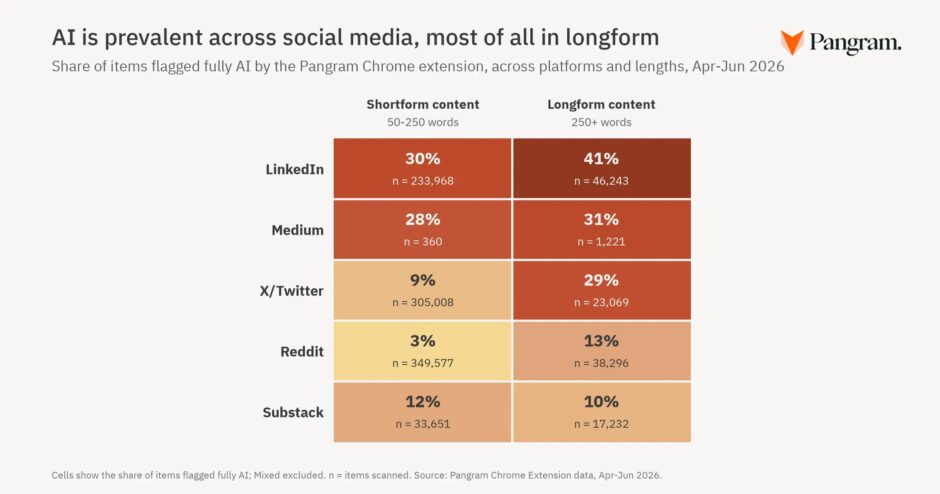
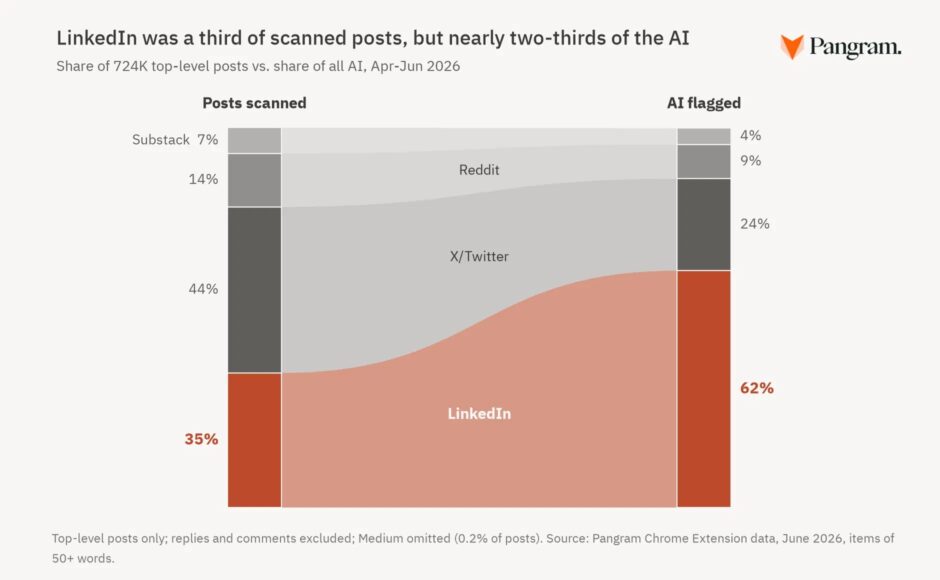
Social media has an AI problem it partly created, and the numbers are starting to look alarming. A new report from AI-detection firm Pangram estimates that 41% of all long-form posts on LinkedIn now show signs of being written by AI tools. That puts LinkedIn at the top of the synthetic-content pile, with X close behind at roughly a third of long posts.
No detection tool is perfect, so the exact percentages deserve some caution. Yet even allowing for a wide margin of error, the direction is unmistakable, since AI-generated writing, images, and video are flooding every major platform at once. The waters of online discourse are muddying fast, and users have started to notice the change in their feeds.
Every network is now scrambling to respond in its own way. Pinterest added a toggle that lets users dial down AI content, which remains the only real off-switch anyone has built so far. Reddit is battling a wave of AI comments, LinkedIn imposes reach penalties on posts it flags as AI spam, and X tried demonetising AI deepfakes after the Iran war spawned a flood of them. These platforms are clearly not ignoring the problem, yet they cannot keep pace with it either.
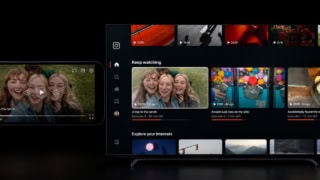
The awkward truth is that the same companies are also fuelling the very flood they claim to fight. Meta has poured hundreds of billions into AI while nudging Facebook and Instagram users to generate images, ask Meta AI questions, and compose their posts with machines. So the networks drowning in synthetic content are the ones handing out the tools that produce it, which makes their cleanup efforts look half-hearted at best.
Users are not thanking them for the push, either. When Instagram chief Adam Mosseri announced that Muse Image tools were coming to the app, the replies ran brutally negative, filled with comments like “AI slop” and “literally no one wants this.” That backlash captures the core tension between what platforms keep building and what their audiences actually want.
The deeper worry sitting under all of this is genuinely existential. Social media was built on human connection, so trust in the entire network erodes once most of what people see turns out to be fake. Strip the real people out of a social app, and it quietly decays into just another feed of forgettable, machine-made entertainment.
You can check out the Pangram report here.