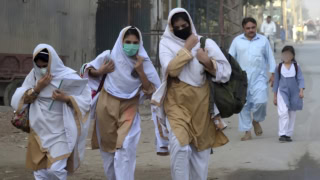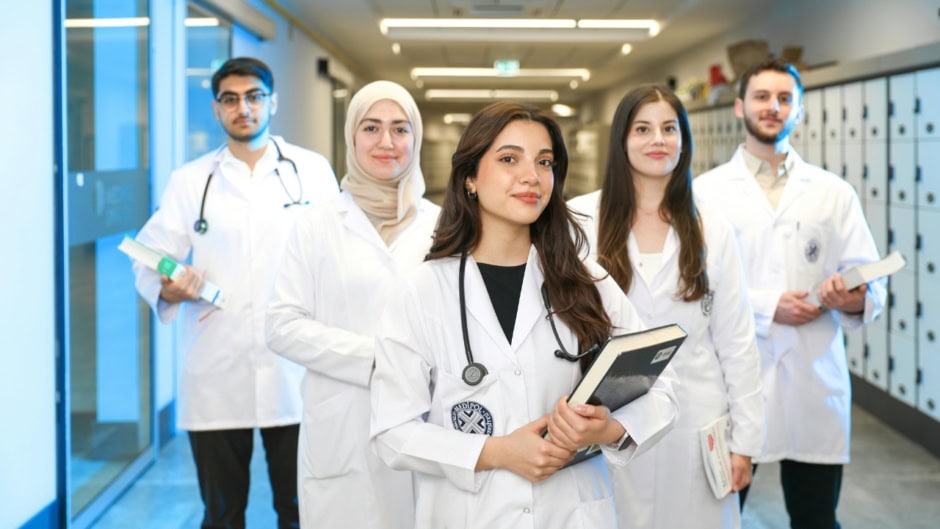
Hundreds of medical and dental college seats across Pakistan remain empty for the 2025–26 academic year. Official data reveals a massive decline in student interest in local healthcare education. Consequently, 743 MBBS & BDS seats currently sit vacant. This total includes 608 Bachelor of Dental Surgery (BDS) seats and 135 Bachelor of Medicine and Bachelor of Surgery (MBBS) seats.
Authorities extended admissions by 45 days. Furthermore, they lowered merit requirements. However, these desperate measures failed to fill the gap.
MBBS & BDS Seats Unfilled: A Nationwide Shortfall
Pakistan offers over 22,300 seats across 187 medical and dental institutions. Yet, many regions face significant vacancies. Admissions data shows 381 empty seats in Punjab. Similarly, Sindh reported 295 vacant seats. Islamabad and Khyber Pakhtunkhwa have 50 and 17 unfilled seats, respectively.
Earlier, officials tried to boost enrollment through relaxed criteria. They dropped the minimum merit for MBBS from 55 percent to 52 percent. Meanwhile, BDS merit requirements fell from 50 percent to 47 percent. Even so, the shortfall continues.
Interestingly, the issue is not a lack of candidates. Over 140,000 students registered for the Medical and Dental College Admission Test (MDCAT). Out of these, around 90,000 successfully passed. Despite this massive pool of eligible students, a significant number of seats remain unoccupied.
Severe Faculty Shortages & Systemic Strain
The healthcare education system also faces severe infrastructure and staffing problems. Consequently, the Pakistan Medical and Dental Council (PMDC) recommended restricting the establishment of new medical colleges. They also opposed adding new seats to existing institutions.
The PMDC reported a nationwide shortage of over 3,800 medical faculty members. Specifically, the system requires 26,018 faculty members to operate effectively. Currently, only 22,146 educators are available. Therefore, the existing infrastructure remains under extreme stress.
Why Are Students Choosing Alternatives?
Pakistani youth are actively seeking alternatives. Experts note that between 25,000 and 30,000 Pakistani students currently pursue medical and dental degrees abroad.
Several critical factors drive this massive brain drain. First, rising tuition costs make local education unaffordable for many. Second, students hold serious concerns regarding local academic standards. Finally, they face massive uncertainty regarding future career opportunities within the country. Ultimately, these factors drive students away from local institutions, leaving hundreds of seats empty.