For the first time in over a decade, Islamabad might finally get its own local government. Today, June 12, 2026, Federal Minister Ahsan Iqbal proposed a massive restructuring of the capital. The new plan transforms Islamabad into a modern, citizen-led “SMART City”. It also introduces an independent elected assembly and a locally accountable Chief Minister.
The Islamabad ‘SMART City’ Plan & Digital Push
The capital’s population now exceeds 2.4 million. Consequently, the outdated administrative model no longer works. To fix this, the government plans to implement a SMART City framework. This stands for Sustainable, Modern, Accessible, Resilient, and Technology-driven.
The ICT Government will establish six new specialized authorities. Most importantly for the tech sector, this includes a dedicated Digital and E-Governance Authority. The government will deploy digital infrastructure and data systems to manage everyday urban problems. Therefore, citizens will soon see tech-driven solutions for waste management, traffic planning, public health, and citizen feedback.
How the New Assembly Will Work
The proposed Islamabad Capital Territory (ICT) Assembly will feature 27 members. Citizens will directly elect 21 members. Meanwhile, the assembly reserves five seats for women and one for minorities. Ultimately, this new assembly will elect its own Chief Minister or Mayor.
Furthermore, the ICT Government will gain administrative and financial independence comparable to a provincial government. It will directly control health, education, the environment, and public services. However, the Federal Government will retain strict control over law and order and city master planning.
Public Input Drives the Future
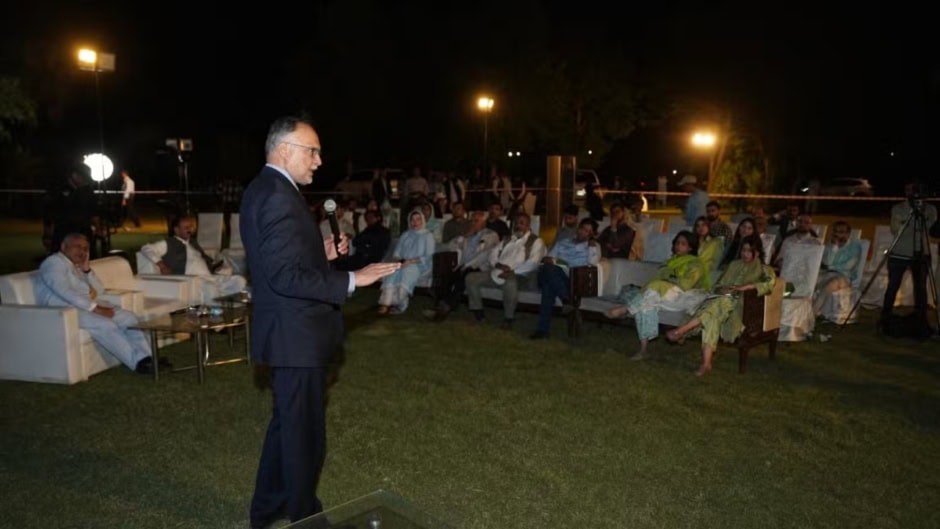
Prime Minister Shehbaz Sharif originally formed a high-level committee to draft this governance model. In a rare move, he ordered the draft released to the public before making any final decisions. As a result, officials held a public consultation today at Fatima Jinnah Park to gather immediate feedback.
Ahsan Iqbal attended the event alongside Tariq Fazal Chaudhry, Anjum Aqeel, Khurram Nawaz, and Barrister Zafarullah. During the session, experts and citizens demanded a clear election timeline. They also stressed the need to prevent administrative overlap, protect public spaces, and guarantee representation for rural areas within the ICT.