The Ministry of Commerce has issued two directives clarifying Pre-Shipment Inspection (PSI) certificate requirements and granting a conditional, one-time waiver for used vehicles imported under the Gift and Transfer of Residence schemes, moves that have drawn sharp criticism from the local automotive industry.
The ministry confirmed in an official memorandum that PSI certificates issued by EAA Company (Pvt) Ltd and Auto Terminal Pak (Pvt) Ltd through their foreign principals in Japan are fully acceptable, following the firms’ formal registration with the Pakistan Standards and Quality Control Authority (PSQCA).
To prevent fraudulent filings, the Federal Board of Revenue (FBR) and customs authorities are required to verify certificates directly with the local offices of these inspection firms, which will bear full legal liability for their declarations.
The firms must also certify that all vehicles comply with applicable environmental, safety, and quality standards.
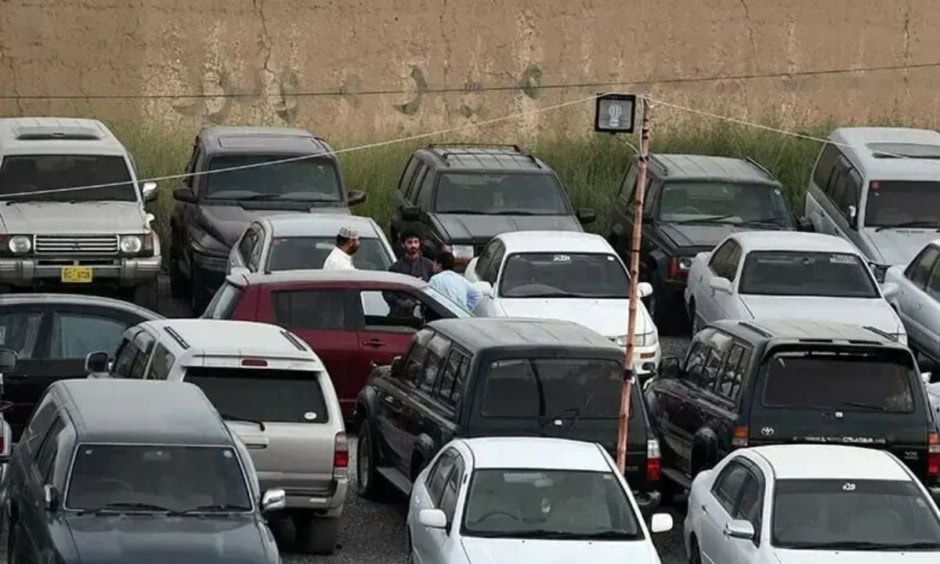
In a concurrent notification under the Imports and Exports (Control) Act, the ministry granted a one-time waiver for vehicles shipped under a Master Bill of Lading between January 16 and March 9, 2026, exempting them from the pre-shipment inspection requirement mandated under SRO 61(I)/2026.
The waiver is not a blanket amnesty: customs officials are barred from clearing vehicles graded Below Average (Grade 3), Poor Condition (Grade 2), Repaired Accident (Grade R), or Minor Accident Repair (Grade RA) on Japanese auction sheets.
The local automotive sector has strongly opposed the policy, calling it an ad hoc shift that undermines domestic manufacturing. Industry sources estimate that approximately 15,000 vehicles are expected to arrive under the exemption window, a figure roughly equal to the full-year sales volume of a major local manufacturer.
Auto sector representatives warn the influx will drain $180 million from the national exchequer through unofficial channels, while automotive parts manufacturers anticipate losses of Rs22 billion, with a further Rs8 billion shortfall in government tax revenue.
Industry analysts add that with local assembly plants already operating at 50 percent capacity, unpredictable policy reversals risk eroding foreign investor confidence.