Pakistan’s government will deploy a sovereign, secure, below-internet mobile network for government users. The plan targets at least 10,000 officials to address gaps causing critical information leaks. The decision came as the government cleared 24 development projects worth Rs465.76 billion.
The Central Development Working Party took the decision on Thursday. The body met under Planning Minister Ahsan Iqbal in Islamabad. It approved 15 projects worth Rs34.74 billion and referred nine more worth Rs431.02 billion to ECNEC.
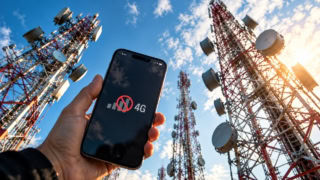
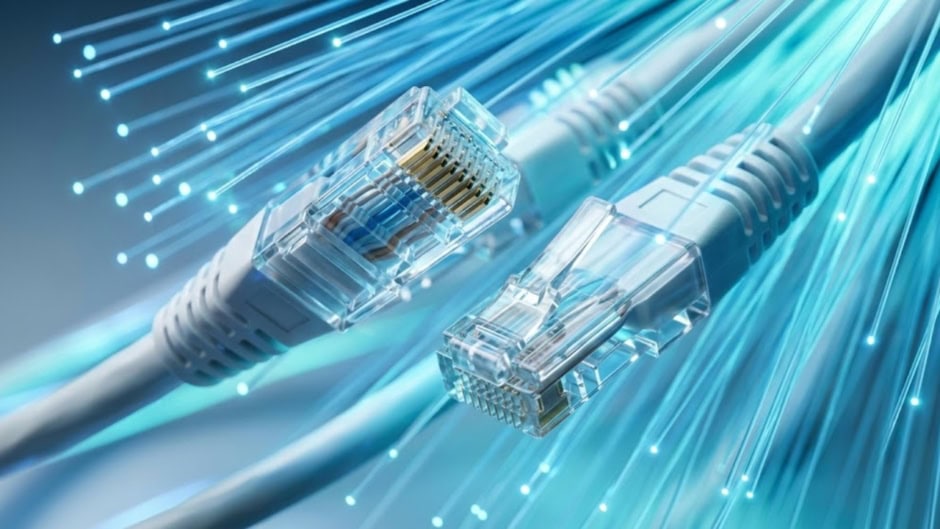
The network design centers on strict isolation from the public internet. It provides a private 4G LTE core network that is physically or logically air-gapped. That structure aims to ensure confidentiality, integrity, availability, and national data sovereignty. The project addresses shortcomings identified after the recent war with India. It also draws on lessons learned from events across the Middle East.
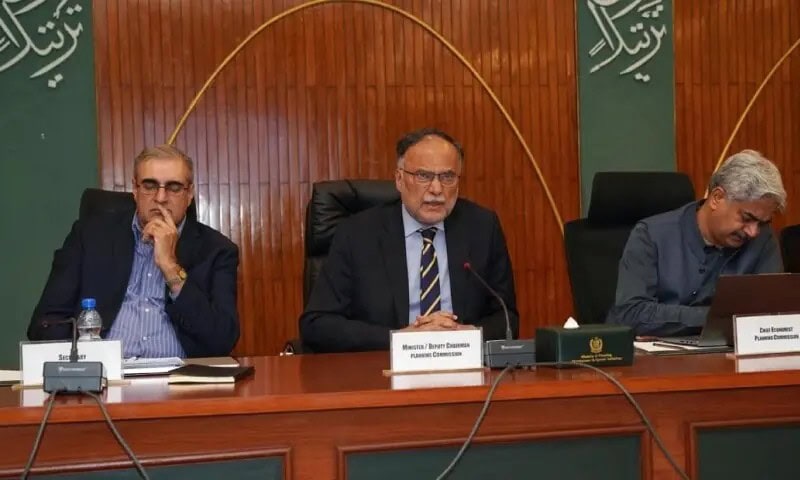
However, the body did not give immediate final clearance. The National Telecommunication Company proposed the network and must now hold further talks. Officials asked it to finalize an unbreakable security system of maximum integrity. The company must consult stakeholders before the project advances.
The meeting also backed the Pakistan Communication Satellite-2, known as PakSat-2. The satellite carries an estimated cost of Rs37.192 billion. It will replace PakSat-IR, which completes its 15-year life later this year. The project also upgrades ground control centers in Lahore and Karachi.
The satellite launch carries strategic urgency too. Pakistan risks losing its orbital slot forever if it stays vacant for three years. The project uses SUPARCO’s existing technical expertise and infrastructure.
Several other technology projects advanced at the meeting. These include a Rs7.93 billion Emerging Technologies Data Centre for sovereign AI. The body also backed a Rs13 billion National AI Ecosystem Development Programme. A major Rs278.62 billion ML-3 railway upgrade also won approval.