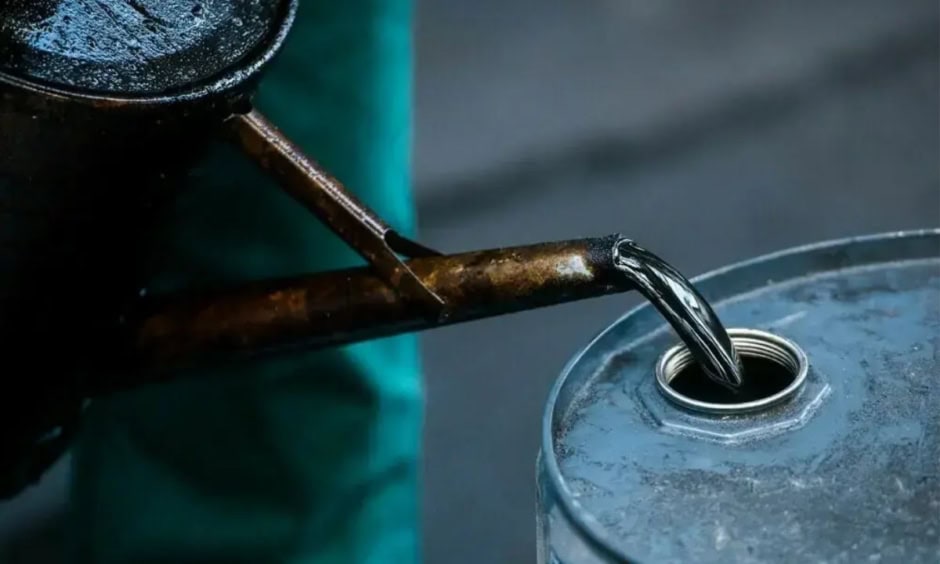
Pakistan is exploring the possibility of importing discounted oil and gas from Iran after a temporary easing of US sanctions opened a window for energy trade with Tehran, Petroleum Minister Ali Pervaiz Malik has said.
Speaking to reporters in Lahore, the federal minister said the government was evaluating options to source cheaper Iranian crude as part of broader efforts to reduce energy costs.
The move follows an interim US-Iran understanding that temporarily relaxed sanctions and eased tensions in the Middle East. Reuters reported last week that the United States had authorised the sale of Iranian-origin crude, petroleum products and petrochemicals through August 21, creating a limited window for buyers.
Pakistan could save an estimated $170 million to $340 million annually by importing 10 to 20 percent of its crude oil requirements from Iran at discounted rates, including lower freight costs. Industry experts say local refineries can technically process Iranian crude, although its relatively high furnace oil (FO) yield limits its commercial appeal because domestic demand for FO remains weak.
Any immediate imports remain uncertain, however, as Asian refiners continue to exercise caution over compliance risks, banking restrictions and payment mechanisms.
Despite sharing a nearly 900-kilometre border with Iran, Pakistan has never formalised large-scale oil imports from its neighbour because of US sanctions, international banking restrictions and concerns over secondary sanctions. These constraints have also delayed projects such as the Iran-Pakistan gas pipeline.
In the absence of formal trade, Iranian petrol and diesel have continued to enter Pakistan through informal channels along the Balochistan border and, in some cases, via sea routes near Gwadar.
Last week, a former head of a leading Karachi refinery told Dawn that the outlook remained uncertain despite the easing of restrictions. He said Iranian crude would only be commercially viable if offered at a significant discount against comparable Arab crude.
Unlike Indian refineries, which are equipped with deep-conversion units such as hydrocrackers and residue fluid catalytic cracking units, Pakistani refineries have limited upgrading capacity. Apart from Pak Arab Refinery Ltd, which operates a mild cracker unit, no local refinery has hydrocracker technology.
Over the past 16 years, most Pakistani refineries have shifted from processing sour heavy crude to lighter, sweeter grades for economic and operational reasons. They currently meet around 80 percent of the country’s diesel demand.