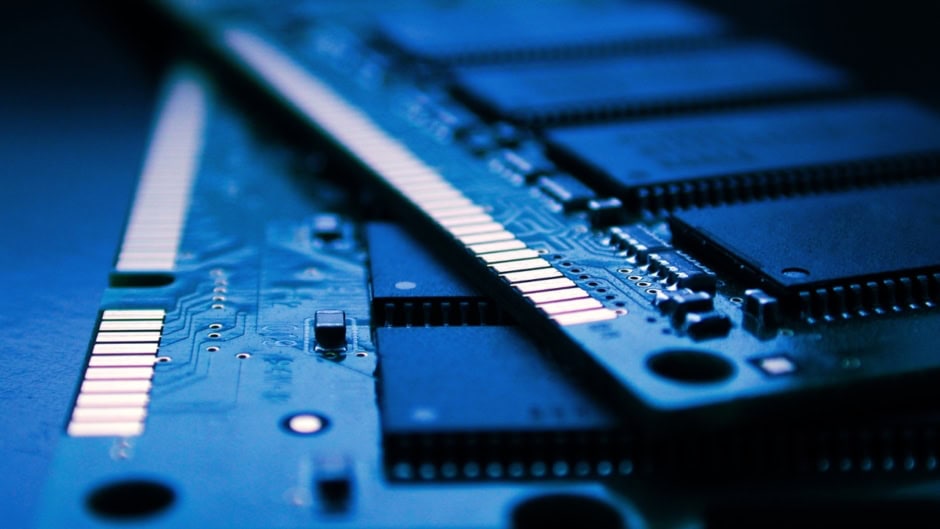
If you were waiting for PC parts and consoles to get cheaper, you might need a new strategy. Over the weekend, Lenovo issued a stark warning regarding the component market. The tech giant stated that high RAM prices are now the “new normal”. Furthermore, DRAM and NAND costs will likely never return to their mid-2025 lows.
Lenovo shared this grim forecast at the ISC 2026 event in Hamburg. A company official exaggerated that prices will “never” drop back, drawing laughter from the crowd. However, the underlying message was completely serious.
The AI Boom Drives the Demand
What is causing this ongoing global memory shortage? The answer lies in massive artificial intelligence investments. Hyperscaler data centers are aggressively expanding their AI infrastructure. Consequently, these major cloud and AI companies place massive component orders years in advance.
Suppliers consistently give these massive tech companies priority over standard buyers. This dynamic gives memory manufacturers absolute pricing power. According to Lenovo, Microsoft, and other major players, this intense DRAM demand will severely pressure global supply until at least 2030.
Console Gamers Bear the Brunt of High RAM Prices
This memory price surge directly harms the consumer electronics market. Console gamers are already feeling the impact. On June 25, Microsoft announced its third Xbox Series X/S price increase since May 2025. Following this adjustment, the entry-level Xbox Series S now costs $499.99. This matches the exact launch price of the premium Series X back in 2020.
Microsoft is definitely not alone. Sony has increased the PS5 price twice since its launch. Meanwhile, Nintendo plans to raise Switch 2 prices across the U.S., Canada, and Europe in September 2026.
Why does Microsoft raise prices more often than Sony? Consumer electronics manufacturers buy components in batches to absorb cost hikes. However, Microsoft produces Xbox hardware in smaller volumes than Sony does for the PlayStation. As a result, Microsoft has much less leverage when negotiating with component suppliers. Valve faces the exact same problem. Recently, Valve revealed that suppliers offered them strict “take-it-or-leave-it” RAM quotes for the Steam Machine.
The Next-Gen Outlook Remains Bleak
The ongoing AI expansion also pushes SSD prices higher. Major new manufacturing capacity will finally come online in 2028. However, Lenovo warns this new capacity still will not lower prices to historic norms.
The worst of the global RAM shortage might resolve by 2030. From that point onward, however, the market will simply settle into a permanently higher pricing baseline.
This reality spells trouble for the future of gaming hardware. Current market conditions may delay the next console generation entirely. Furthermore, future consoles will likely launch before supply catches up with demand. As a result, early reports suggest the upcoming PS6 could eventually cost even more than Valve’s Steam Machine.