India has ordered WhatsApp to pause the rollout of its new username feature. The government cited risks of fraud, impersonation, and identity theft. It escalates a wider crackdown on messaging anonymity that began with Telegram.
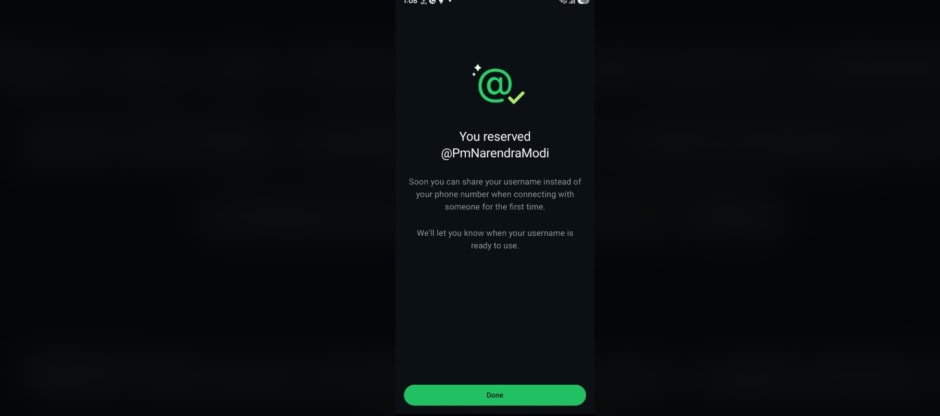
The feature launched globally days earlier, letting users chat without sharing phone numbers. WhatsApp had opened username reservations while planning a full rollout later this year. India is WhatsApp’s biggest market, with more than 500 million users.
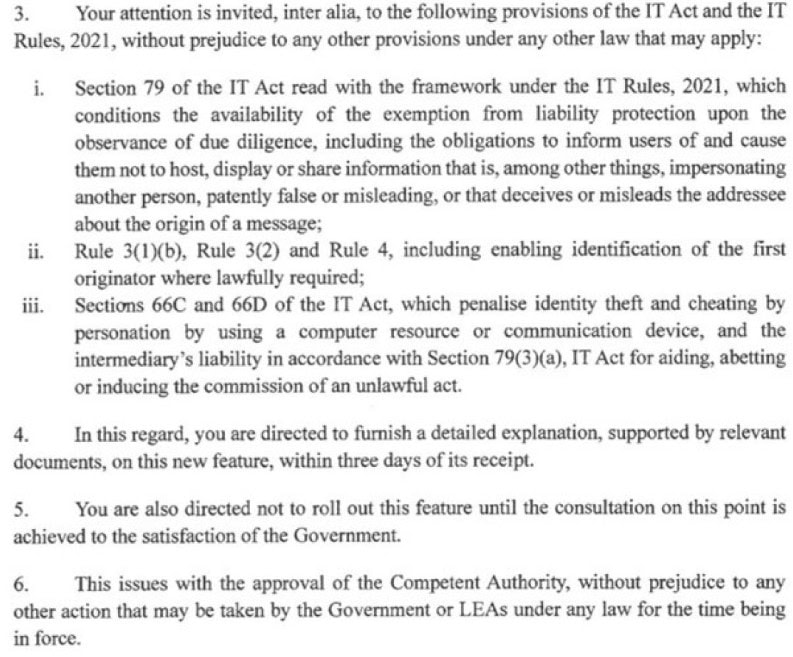
The Ministry of Electronics and Information Technology issued the notice on July 1. It gave WhatsApp three days to submit a detailed explanation. It barred the rollout until consultations conclude to the government’s satisfaction. The order invoked the IT Act, 2000, and IT Rules, 2021.
The ministry warned the feature could raise serious risks. It said usernames could increase online fraud, phishing, and digital arrest scams. It warned bad actors could contact victims without revealing phone numbers. Names resembling officials or financial institutions could enable identity spoofing.
WhatsApp pushed back with its own defense of the system. It stressed that users still need a phone number to use WhatsApp. It said it built multiple layers of defense against scams into usernames. Others must know the exact username to send a message.
As their statement goes:
We’ve announced the option for people to reserve their preferred username on WhatsApp. The ability to use a username is not yet live and will roll out slowly later this year. To protect against impersonation, we’ve held the highest-profile names — think public figures, government entities, celebrities, verified Meta accounts — so they can only ever be claimed by their legitimate owners and lookalike derivatives of known names are held as well. Users still require a phone number to use WhatsApp and we’ve built multiple layers of defense against scams into usernames: Other users need to know the exact username to message you, we will limit how many new people an account can contact, block repeated attempts to guess someone’s username key, and have systems to detect and remove activity showing common impersonation and abuse patterns. When the feature becomes available and someone sends you a message for the first time via your username, we will show you if they’re a new account, if they’re your contact, if you have groups in common, and if they’re based in a different country, so you can decide whether to respond.
The company detailed several specific safeguards. It limits how many new people an account can contact. It blocks repeated attempts to guess someone’s username key. It also reserved high-profile names for public figures, government bodies, and celebrities. Lookalike derivatives of known names are held too.
WhatsApp added a first-message warning system for extra safety. When a stranger messages via username, users see context first. That includes whether the sender is new, a contact, or based abroad. Digital rights groups criticized the order, arguing it stretches intermediary rules into feature control.