Extreme heat sweeping the eastern U.S. is straining data centers and threatening surrounding communities with degraded air quality and power grid failures. The crisis is most acute in low-income neighborhoods unprepared for the environmental toll of AI infrastructure expansion. Lowell, Massachusetts, has become the focal point of growing tensions between data center operators and residents.
The Markley Group operates Massachusetts’ largest data center in Lowell’s Sacred Heart neighborhood, a predominantly low-income, racially diverse community. The facility uses approximately 118,000 gallons of water per day at peak summer for evaporative cooling, drawing from the Merrimack River.
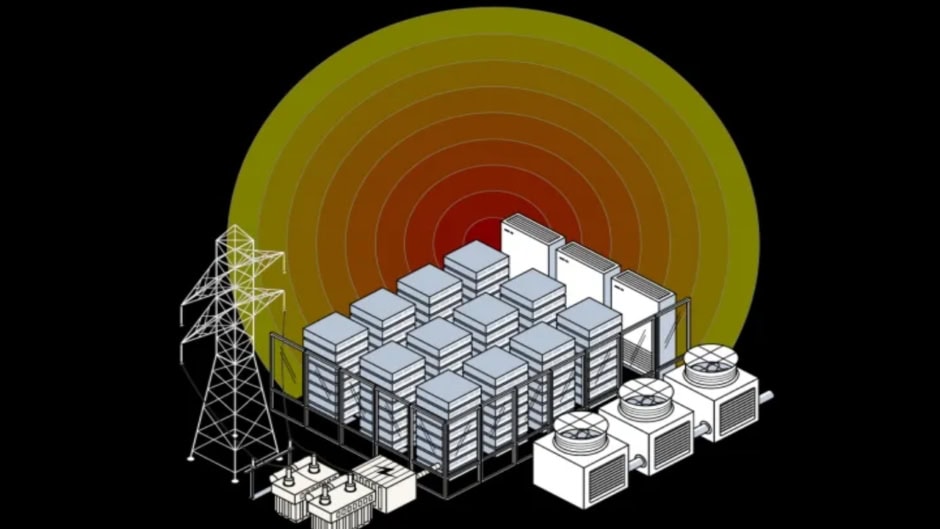
During extreme heat, data center racks generate more heat, requiring either energy-intensive refrigeration cooling or water-intensive evaporative cooling. Neighbors report the cooling system sounds like jet engines during heat waves.
The critical problem occurs when grids become stressed. Data centers turn on backup diesel generators as preventative measures during heat waves.
When multiple generators activate simultaneously, Shaolei Ren, a professor at the University of California Riverside who studies AI’s environmental toll, warns this could be “a disaster for the local air quality.” Diesel emissions cause immediate harm to human health.
In March 2026, Lowell’s City Council voted unanimously to impose a one-year moratorium on new data center construction. Residents separately filed Massachusetts’ first lawsuit against a data center operator and state environmental regulators. State Rep. Tara Hong, representing the district, emphasized that residents are already struggling economically. The data center represents an inequitable distribution of AI infrastructure benefits and costs.