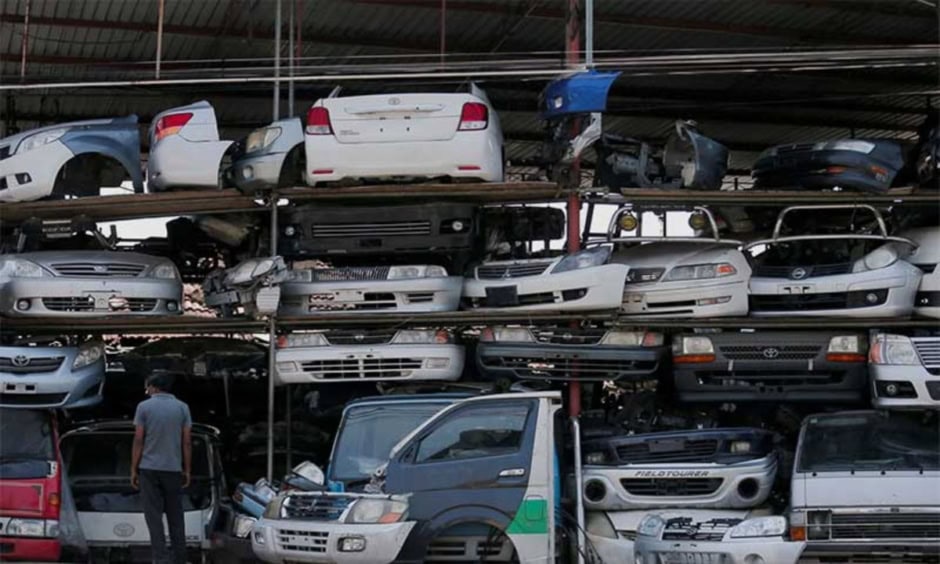
The federal government has extended the current auto policy by one year after talks with the International Monetary Fund (IMF) and the Tariff Policy Board on a new policy framework failed to reach a conclusion.
According to sources in the Ministry of Industries and Production, consultations with the IMF and other relevant institutions will continue as the ministry works to finalize the new policy. Automakers have also fallen short of established export targets and have failed to bring several locally assembled vehicles up to international standards.
The Ministry of Industries and Production was unable to effectively defend the proposed auto policy during consultations with the IMF.
The Prime Minister has directed that the new policy be made investor-friendly, with proposals aimed at creating new employment opportunities and boosting industrial activity. The draft also proposes making international safety standards mandatory for locally manufactured vehicles.
Under the new policy, companies that fail to meet global safety requirements will face financial penalties. Special measures have been proposed to promote electric vehicles, plug-in hybrids, and conventional hybrid vehicles. The draft further recommends ensuring compliance with 62 international safety standards for both imported and locally manufactured vehicles.
Consultations on the new auto policy are ongoing with the Federal Board of Revenue (FBR), the Ministry of Commerce, the Ministry of Law, and the Ministry of Science and Technology.
The policy aims to promote modern technology, exports, and investment in the auto sector, with a particular focus on providing consumers with access to safe, high-quality, and environmentally friendly vehicles.