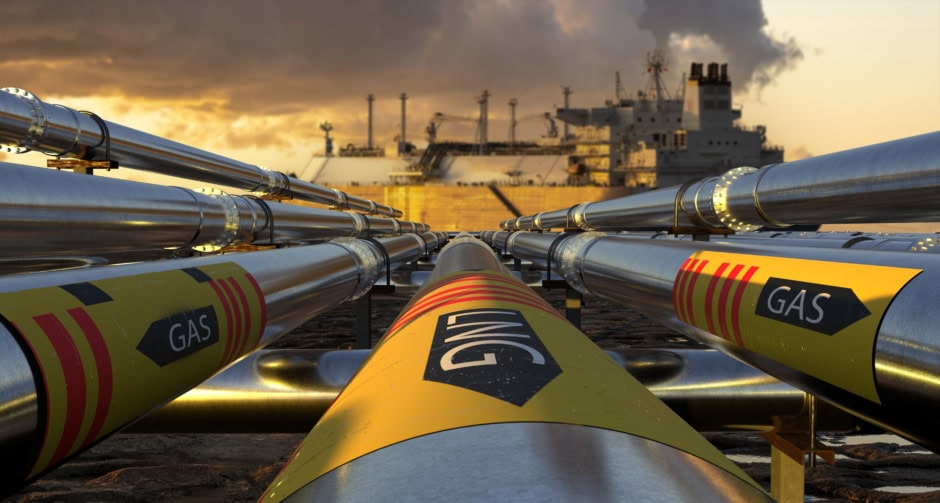
A QatarEnergy-controlled liquefied natural gas (LNG) tanker has successfully exited the Strait of Hormuz, marking the first such voyage by one of the company’s vessels in nearly three weeks amid heightened tensions in the Middle East.
According to ship-tracking data from Kpler and LSEG, the Al Areesh LNG tanker sailed out of the strategic waterway overnight on July 29 after loading its cargo at Qatar’s Ras Laffan terminal between July 4 and 6.
The vessel is currently en route to Port Qasim, Pakistan, with an estimated arrival date of July 31, providing a positive signal for Pakistan’s energy supply amid ongoing regional uncertainty.
The departure is the first by a QatarEnergy-controlled LNG tanker since the Al Rekayyat was struck earlier this month. Before that, the last LNG tanker to exit the Strait of Hormuz was Al Hamra, which departed on July 11 carrying cargo loaded at the UAE’s Das Island.
Meanwhile, another LNG carrier, Mraweh, operated by ADNOC Gas, was tracked back inside the Strait of Hormuz on Thursday while remaining without cargo. ADNOC declined to comment on the movements of its vessels, and QatarEnergy has not yet issued a statement.
Ship traffic through the Strait of Hormuz also showed signs of improvement. Kpler data indicated that 12 commodity vessels transited the waterway on Wednesday, with six entering and six exiting, reflecting a slight increase from the previous two days.
However, shipping activity in the Bab el-Mandeb Strait remained under pressure. Kpler recorded 19 commodity vessel transits on Wednesday, while LSEG reported 26. Security concerns in the Red Sea continue to affect maritime trade routes.
Analysts also reported that visible crude oil loadings from Saudi Arabia’s Yanbu port declined by at least 30 percent last week following Yemen’s Houthi blockade announcement. However, energy analytics firm Vortexa noted that overall exports have remained relatively stable due to increased use of so-called “dark tankers” that operate with limited tracking visibility.
The movement of the Al Areesh tanker is being closely watched by energy markets as it signals a partial resumption of LNG shipments through one of the world’s most strategically important maritime chokepoints despite ongoing geopolitical tensions.