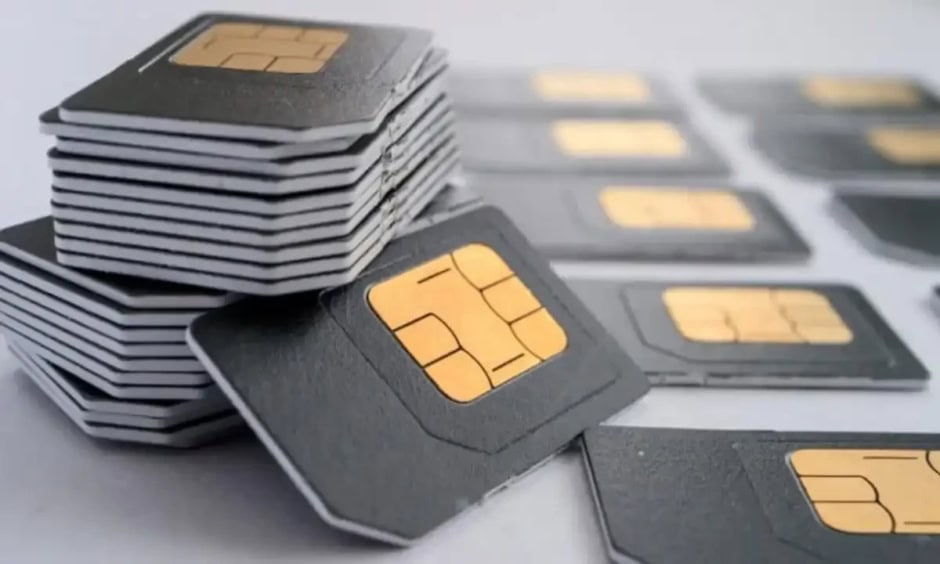
The Pakistan Telecommunication Authority (PTA) is working with NADRA to introduce SIM issuance through the Pak ID platform. The move aims to let people get new SIMs from home without visiting service centers.
The update came during a meeting of the Senate Standing Committee on Cabinet Secretariat. The committee discussed telecom services, public sector appointments, and administrative matters. Senator Rana Mahmood-ul-Hassan chaired the meeting.
The PTA chairman briefed the committee on the implementation of recommendations made during its previous meeting. He said Pakistan now has 210 million active SIMs, showing steady growth in mobile connectivity. He also confirmed that PTCL and Ufone are being separated as part of an ongoing restructuring process.
PTA says Ufone issues will improve after Telenor merger
The committee also discussed the recent disruption in Ufone services. Senator Rana Mahmood-ul-Hassan questioned why Ufone’s network performance had declined. In response, the PTA chairman said Ufone is a government-owned company. He added that the service issues are expected to improve after the Ufone and Telenor merger is completed in the coming days.
He further told the committee that a new telecom company will be formed after the merger. He also revealed that PTA is in talks with NADRA to launch SIM issuance through the Pak ID platform. According to him, the system will allow citizens to receive SIMs from home, making the process easier and more digitally accessible.
During the discussion on digital transformation, Senator Saleem Mandviwalla said many countries have already adopted eSIM technology. He asked where Pakistan stands compared to global developments.
The committee also reviewed appointments in public sector institutions. Senator Aimal Wali Khan raised concerns over the appointment of the Managing Director of the Overseas Pakistanis Foundation (OPF). He said the prime minister had publicly stated that a person could manage monthly expenses with Rs8,000. Therefore, he questioned the appointment of an official receiving Rs1 million per month. He also claimed that another OPF official receives a monthly salary of Rs2.5 million.
The senator further alleged that the managing director of OPF does not hold a Pakistani national identity card and is a British citizen by birth. He also questioned how a person previously convicted by the National Accountability Bureau (NAB) received another government appointment.
After hearing these concerns, the committee directed the relevant authorities to submit complete details about the OPF managing director’s appointment. Officials from the Establishment Division responded by saying qualified candidates are not available for some specialized positions.
During the meeting, Senator Aimal Wali Khan also criticized the practice of keeping officials in their positions despite long periods of illness. He said some people continue to hold office even when they are unable to perform their duties.
He also questioned the salary of the chairman of the National Electric Power Regulatory Authority (NEPRA). According to the senator, the chairman receives Rs3.2 million per month despite not attending committee meetings. He claimed the NEPRA chairman became ill only weeks after taking office and has not been attending work while still receiving his salary.
The committee also received an update on meetings of the high-powered selection board and the central selection board (CSB). The secretary of the establishment division said the High-Powered Selection Board is expected to meet within four to five weeks. Meanwhile, the CSB meeting is likely to take place within six to eight weeks.
At the end of the meeting, Senator Rana Mahmood-ul-Hassan directed the relevant departments to provide the requested information on time. He said the committee wants to review pending matters related to public appointments, governance, and institutional reforms in its upcoming meetings. The committee also stressed the need for transparency, accountability, digital reforms, and better public service delivery across government institutions.