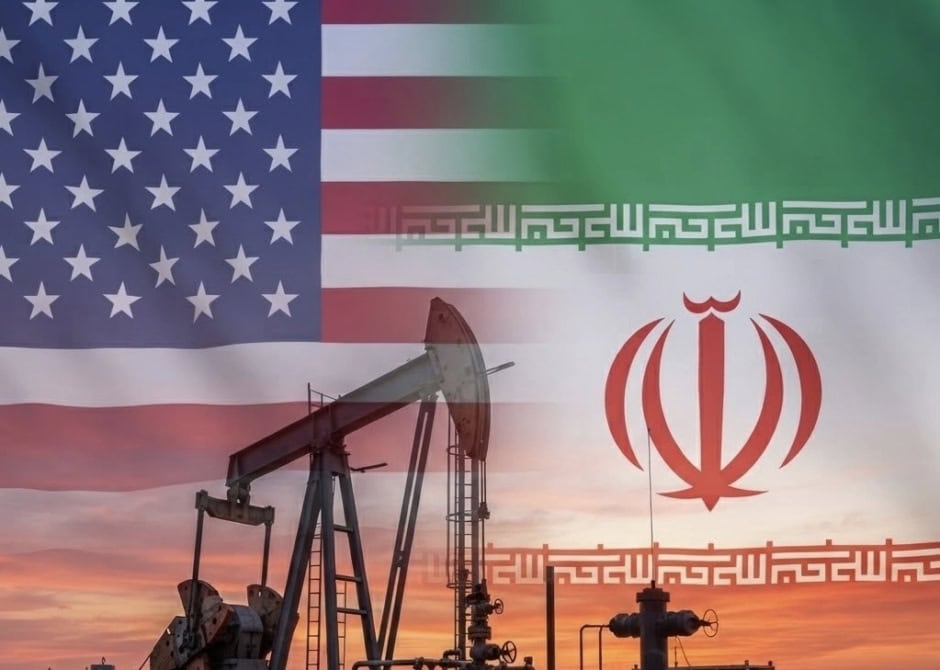
The United States has shifted greater focus toward reducing gasoline prices for American consumers as the Iran war continues to disrupt global energy supplies, although preventing Tehran from developing a nuclear weapon remains a key objective.
US Vice President JD Vance said restoring the flow of oil through the Strait of Hormuz and keeping fuel affordable for Americans have become major priorities for Washington.
Vance said the administration continues to pursue two main goals: ensuring affordable oil and gasoline for US consumers and preventing Iran from acquiring a nuclear weapon.
The Strait of Hormuz has become a major point of pressure in the conflict after Iran restricted traffic through the strategic waterway, which carries a significant share of global oil supplies.
US Treasury Secretary Scott Bessent has warned that Washington will introduce additional economic measures against Iran soon. He said the new measures could impose unprecedented pressure on Tehran and are expected to be announced next week.
The administration has increasingly relied on economic pressure, including restrictions on Iranian oil exports and measures targeting Iranian ports, rather than immediately launching another major military offensive.
The shift comes amid growing political pressure on President Donald Trump as higher gasoline prices affect American consumers. The conflict has also generated domestic opposition, while Republicans are concerned that continued fighting could affect their prospects in the November midterm elections.
Trump had previously suggested that an agreement to reopen the Strait of Hormuz could be reached soon. However, his administration has since adopted a tougher economic approach toward Tehran.
Iran has reportedly linked the reopening of the waterway to several demands, including an end to the war, lifting the US blockade of Iranian ports, removal of sanctions, release of frozen Iranian assets and compensation for wartime damage.
The demands are similar to provisions contained in an earlier memorandum of understanding reached in June, which later collapsed after renewed fighting.
The prolonged conflict has also placed pressure on US military resources, with American forces reportedly using significant quantities of expensive missiles and other advanced weapons.
Vance said Washington would continue balancing energy and national security concerns, with the administration sometimes prioritizing affordable oil and gas and at other times focusing more heavily on military and nuclear issues.
The ongoing uncertainty surrounding the Strait of Hormuz continues to pose risks for global oil markets, while Washington and Tehran remain under pressure to find a way to restore the flow of energy shipments.