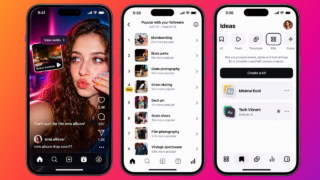
Retro, a friend-focused photo-sharing app built by former Instagram product engineers Nathan Sharp and Ryan Olson, raised north of $21 million in Series A funding, according to an SEC filing. Since Business Insider first spotted the filing under the startup’s legal name, Lone Palm Labs, the company has since confirmed the round publicly.
The filing, dated August 19, indicates the funding actually closed back in December. Because Retro didn’t immediately respond to requests for comment, Sharp later confirmed the round privately, explaining he had been “off the grid” for a period. PitchBook now estimates the startup’s valuation at over $100 million.

Field Ventures, led by Figma CEO Dylan Field, and Thrive Capital led the new round, with participation from Positive Sum along with several new and existing angel investors. Since Retro’s prior backers already included Thrive Capital, Field, Scribble Ventures, Box Group, Imaginary Ventures, and Coalition, this round deepens an already strong investor base rather than introducing an entirely new one.
Sharp explained the app’s core thesis directly to TechCrunch in December:
“Something that has to be true and will be true is that people will still want to see more of their friends,” he said, referring to how For You-style algorithmic feeds have increasingly taken over social media.
Because photos need somewhere to reach their intended audience, Retro was built specifically to fill that gap.
Launched in 2023 as a personal photo journaling app, Retro has since expanded considerably. Users can now privately share weekly photos with friends, create shared albums, view recaps, or “rewind” through old camera roll memories. Unlike many competing apps, Retro doesn’t monetize through advertising. Instead, the company offers in-app subscriptions unlocking video, GIF, and sticker comments, additional styles, and special app icons.
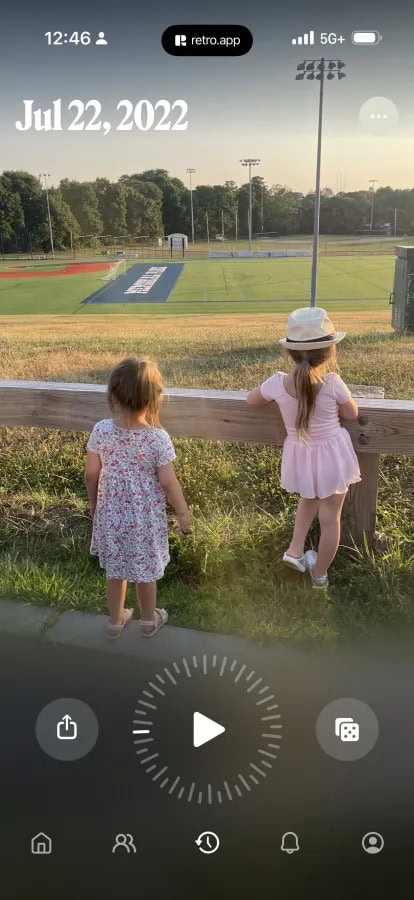
Retro joins a broader anti-algorithm wave alongside BeReal and Locket. BeReal popularized unfiltered daily photo prompts, though its novelty faded once the format became routine. Locket let users send real-time photos to friends’ home screens but struggled converting virality into revenue. Retro differentiates itself through persistent shared albums and a genuine memory archive, positioning it as a long-term alternative rather than a passing novelty.
According to Appfigures, Retro has been downloaded around 7 million times since launch, while in-app spending jumped more than 460% over 180 days, suggesting subscribers have become genuinely committed users.