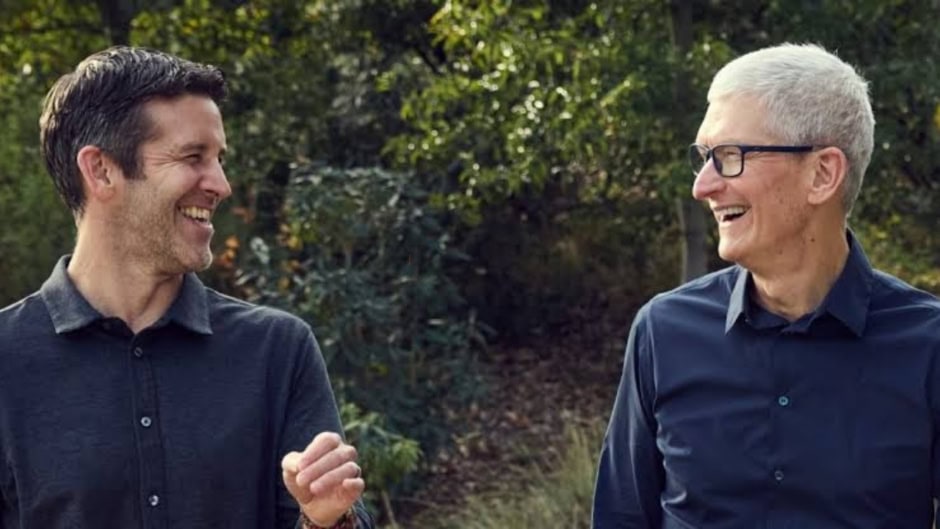
Apple formally ushered in a new leadership era on Tuesday, September 1, 2026, as John Ternus took over as chief executive officer. He succeeds Tim Cook, who led the world’s most valuable technology company for 15 years. Cook’s tenure began in August 2011 following the departure of co-founder Steve Jobs, making this Apple’s first CEO transition in over a decade.
Cook has not left the company entirely. Instead, he moved into the newly created role of executive chairman, where he will focus on engaging with global policymakers and assisting with select company matters. Meanwhile, Ternus has also joined Apple’s board of directors, cementing his authority over the company’s strategic direction.
Ternus brings deep engineering credentials to the role. He joined Apple’s product design team in 2001, then became senior vice president of hardware engineering in 2021. During his tenure, he oversaw hardware engineering across Apple’s entire product portfolio while playing a key role in developing the iPad, AirPods, and multiple generations of the iPhone and Mac. Most recently, his team launched the ultrathin iPhone Air and the new MacBook Neo.
Cook praised his successor warmly when announcing the transition in April. He described the CEO position as the greatest privilege of his life, while characterizing Ternus as having “the mind of an engineer, the soul of an innovator and the heart to lead with integrity.”
Cook’s legacy remains formidable by any measure. Apple’s market capitalization rose from roughly $350 billion when he took over to around $4 trillion today, while annual revenue grew from about $108 billion in 2011 to more than $400 billion. Additionally, Apple’s services business emerged as a major growth engine under Cook, generating more than $100 billion annually through the App Store, Apple Music, and Apple Pay.
However, the transition arrives at a critical juncture. Artificial intelligence has emerged as Apple’s biggest strategic challenge, an area where the company has notably lagged competitors. Ternus therefore inherits the difficult task of accelerating Apple’s AI strategy while maintaining its ecosystem-driven business model and enormous installed customer base, all under intense scrutiny from investors and industry observers alike.