Google has officially rolled out its new Search Generative AI performance reports and dedicated blocking controls globally within Search Console.
Following an initial testing phase that began earlier in the year, these features are now accessible to website owners worldwide to provide deeper transparency into how content appears across artificial intelligence surfaces.
The new reporting section functions as an expandable tab under the main performance dashboard. It specifically isolates data for generative features such as AI Overviews, AI Mode, and generative experiences within Discover. Publishers can analyze impressions, identify specific pages appearing in AI features, evaluate geographic visibility across different countries, and monitor historical performance trends across daily or weekly increments. However, the current iteration focuses strictly on impressions and visibility metrics, omitting direct click data for now.
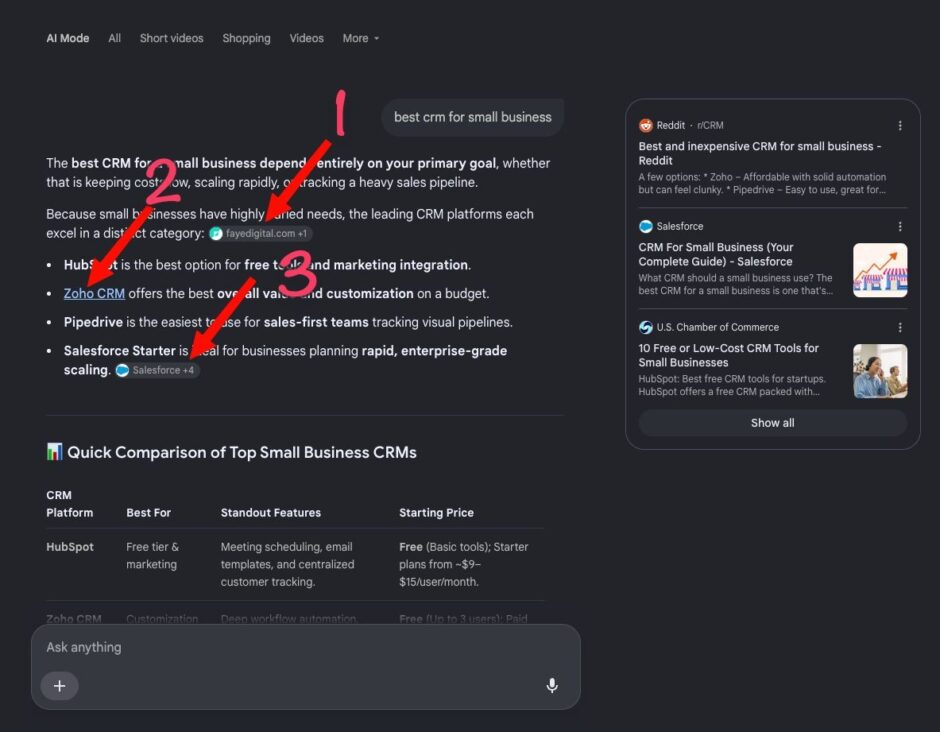
When directly asked, John Mueller of Google took to LinkedIn to share his views about the future of Google’s Search Engine model:
I expect [Google] will evolve over time, search / AI Mode / AI Overviews evolve too, there are edge-cases; the goal is not a written-in-stone absolute truth for position counting (that’s impossible), but rather to make something that’s useful for site owners in terms of understanding how their site is shown. We’ll update the documentation when / if there are significant changes. It’s cool to see these evolutions in search, but it also means there will be some work required on your end when it comes to interpreting, understanding, comparing these metrics.
Alongside the reporting upgrade, Google introduced a companion control toggle designed to give publishers governance over their material. This setting allows site owners to explicitly opt out of having their web content featured as grounding text or reference links inside AI Overviews and AI Mode. Importantly, Google confirmed that utilizing this blocking toggle will not act as a negative ranking signal for core web search results outside of generative features.
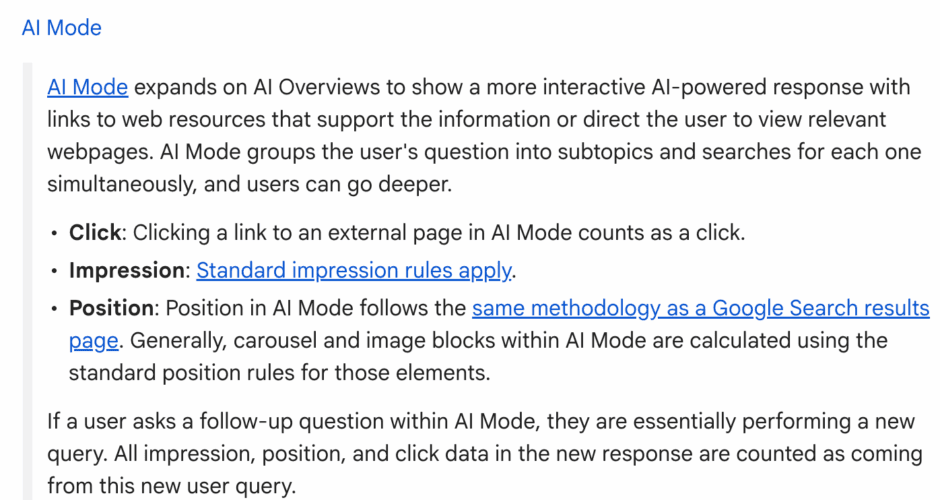
Industry professionals have quickly analyzed the updates, noting both the opportunities and the inherent reporting limitations. Because AI response layouts differ drastically from traditional blue links, tracking metrics like position and true user engagement remains complex. Nevertheless, the global rollout marks a major step forward in bridging the communication gap between search engines and content creators.
As artificial intelligence continues to fundamentally reshape the digital discovery landscape, these tools offer much-needed visibility. Webmasters and SEO experts can now better gauge their brand presence in AI-driven environments while deciding whether to participate in or opt out of Google’s evolving generative ecosystem.