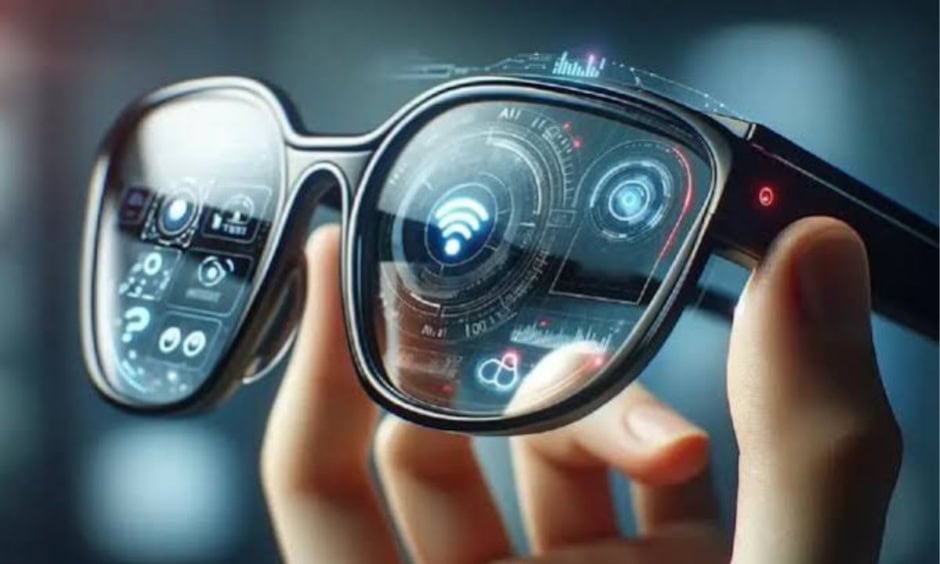
The Lahore High Court (LHC) issued notices to the federal government, the Pakistan Telecommunication Authority (PTA), the commerce ministry and other authorities on a petition challenging the unregulated import and sale of smart glasses fitted with cameras and microphones. The petitioner says the devices threaten privacy, dignity and national security.
Chief Justice Aalia Neelum heard the public interest petition, filed by citizen Husnainul Abideen. The court directed the respondents to submit their replies by October 8.
Advocate Shahram Saqi, representing the petitioner, told the court that Ray-Ban Meta and similar smart glasses resemble ordinary eyewear but can secretly photograph, record and live-stream anyone within the wearer’s view. He argued that these features distinguish the devices from mobile phones and violate Articles 9 and 14 of the Constitution, which protect liberty, dignity and privacy.
The counsel said Meta has not officially listed Pakistan as a market, yet the glasses are openly sold online and in shops in Lahore, including Hafeez Centre. He cited concerns raised by regulators in Ireland, Italy and Germany, as well as bans on smart glasses in courts in England and Wales and in New York.
The petitioner asked the court to declare the unrestricted use of such glasses incompatible with the Constitution. He also sought directions to prohibit their import, review PTA approvals, bar the glasses from courts, airports and government offices, and stop customs clearance of consignments. He further asked the court to require the cybercrime agency to disclose related complaints.
Meta launched the smart glasses with Ray-Ban in 2023, and they have drawn controversy since. There have been multiple reports of the devices being used to film women and girls without consent and share the footage online. In the UK, pubs, major theatres, some schools and the Faslane naval base have banned them, as has Comic-Con.
The glasses carry a white LED that lights up when the camera is recording, but workarounds to disable it have emerged. Meta says fewer than 0.1 percent of the frames sold have been tampered with. Ray-Ban’s parent company, EssilorLuxottica, reported selling seven million pairs last year.
A campaign called Stop Smart Glasses, led by tech founder Liz Hunter, is seeking urgent regulation of the technology. Hunter says the glasses should remain available only to blind users, for whom they can read out text and describe surroundings.