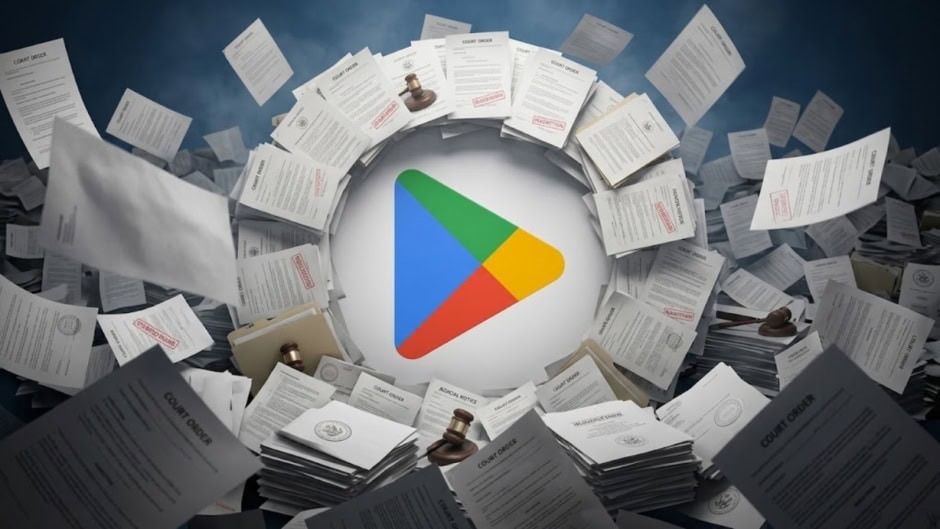
Google now faces a £1 billion class action trial in the UK over its Play Store commission practices. The case began at the Competition Appeal Tribunal (CAT) in early October 2026. As a result, it marks one of the largest tech antitrust trials in British history.
Consumer advocate Liz Coll brought the case on behalf of around 20 million UK consumers and businesses. The claim alleges that Google abused its dominant position in Android app distribution. Specifically, the company charged developers commissions of up to 30% on apps, subscriptions, and in-app purchases. Those costs, according to the claim, ultimately passed on to consumers through higher prices.
The claim period covers purchases from October 2015 through July 2026. In addition, law firm Hausfeld represents Coll in the proceedings. Google, however, denies all allegations. The company argues that Play Store offers some of the lowest fees in the market and plans to “defend our services vigorously.”
This is not Google’s only legal challenge in the UK. In a separate collective action on behalf of UK app developers, Professor Barry Rodger of Strathclyde University Law School secured a historic £260 million settlement with Google. The Competition Appeal Tribunal approved the deal on 16 September 2026. Almost two-thirds of the settlement, £160 million, will go directly to eligible developers. This represents the largest pay-out for class members the Tribunal has ever approved.
“This is a historic outcome for thousands of UK app developers and for the UK’s collective action regime,” Rodger said. “With the Tribunal’s approval, we are a step closer to getting money back to affected businesses. I encourage all eligible developers to register on the claim website, so they can claim when the compensation process begins.”
UK developers who sold apps or digital content through the Play Store from August 2018 onward can register at https://www.googleplaystoredeveloperclaim.com/register/ to claim their share at no cost.
Last year, the CAT also found that Apple abused its market position through similar 30% commissions. Together, these cases signal growing regulatory pressure on app store operators across the UK.