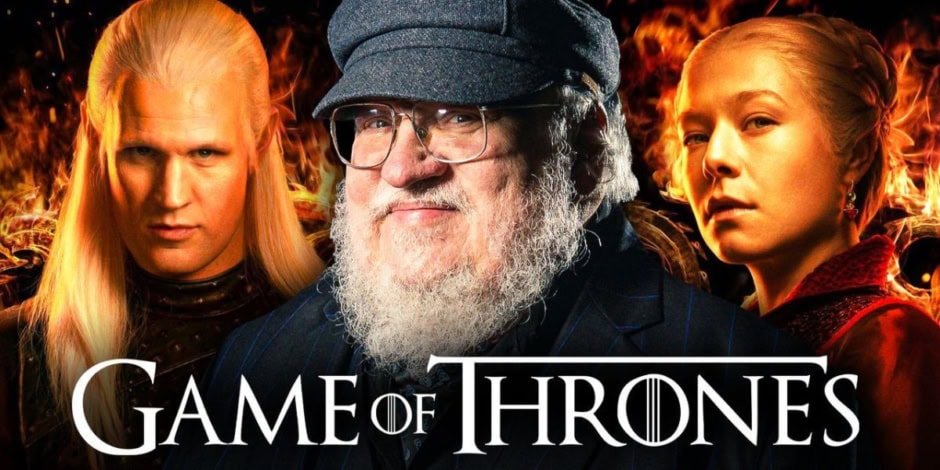
A U.S. federal judge has ruled that a major class action lawsuit brought by prominent authors including George R.R. Martin, Michael Chabon, Ta Nehisi Coates and Sarah Silverman may proceed against OpenAI and Microsoft for alleged copyright infringement.
The lawsuit accuses the companies of using copyrighted literary works without proper permission to train large language models, and then producing outputs that mirror or approximate the authors’ creative content.
The Allegations
The consolidated case brings together multiple claims by authors who say their works were ingested at scale by OpenAI’s models with Microsoft’s backing and then used to power AI systems such as ChatGPT. Plaintiffs assert two key threads of alleged harm.
Input: They claim that the models were trained on their copyrighted texts without authorisation, including books and other protected works.
Output: They further allege that the generated outputs are substantially similar to those protected works.
For example, the complaint points to a prompt to ChatGPT, “Write a detailed outline for a sequel to A Clash of Kings that is different from A Storm of Swords.”
The AI responded with a proposed book titled A Dance with Shadows, complete with new characters, ancient dragon magic and other elements that bore significant resemblance to Martin’s original work.
Given how the majority of fans found the HBO show of Martin’s epic fantasy books absurd, there was also a rush to rewrite the finale, in an effort to make it “better.” Game of Thrones finale aired on May 19, 2019.
Judge Sidney Stein ruled such an example was enough to let the case advance under the standard of substantial similarity.
Authors vs AI: Why Authors Must Win
By allowing the suit to proceed, the court has installed faith to creativity and those who are trying to uphold it. The court proceedings fall in line with the idea that creators may have a viable pathway to challenge how large AI systems are trained and deployed. It also includes the output that is similar but also whether the underlying training data was used with lawful licence.
Prior rulings in this space have been mixed. For example, courts have allowed some claims to proceed, like those against OpenAI, while denying or settling others, such as the recent 1.5 billion dollar settlement by Anthropic.
The case could reshape licensing norms and business models for AI companies, potentially forcing them to secure rights for large scale text, image or audio corpora, or at least face litigation risk.
Responses and Road Ahead
OpenAI and Microsoft have not yet offered detailed public responses to the ruling, though both have historically defended their practices by citing fair use, the use of publicly available data and transformative application of content.
The judge’s order does not settle the case; it simply allows the authors’ claims to move forward. The fair use defence remains untested in this specific context and will form a central battleground during discovery and trial.
For authors and creative professionals, a successful outcome could mean not only licensing or royalty opportunities, but also greater transparency and control over how their works are used in AI training. For AI companies and investors, the decision increases business and legal risk.
They may face higher costs for curated and licensed training datasets and more scrutiny of generated output. Meanwhile, the broader AI ecosystem watches closely, as this case may establish precedents that affect not just text based models but image, music and video generation systems as well.
As generative AI continues to grow in capability and commercial impact, the outcome of this case and others like it may help define how creativity and AI coexist in the coming decades.