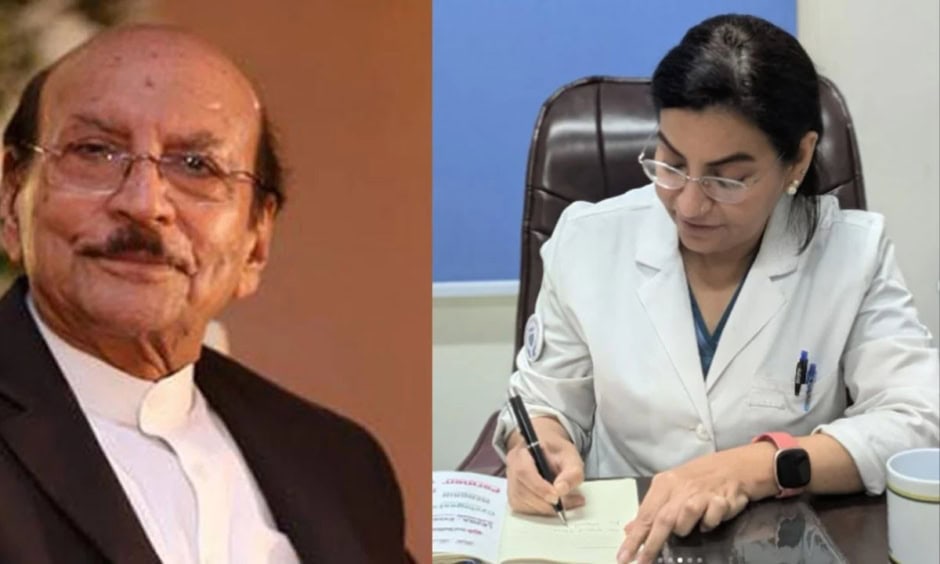
Dr Nighat Shah, daughter of former Sindh chief minister Qaim Ali Shah, has secured a three year extension as professor at Jinnah Sindh Medical University (JSMU), granted just a day before she was due to retire from government service at age 60.
The Sindh Universities and Boards Department wrote to the JSMU Vice Chancellor directing implementation of a provincial cabinet decision approving the appointment. The letter referenced minutes of the cabinet meeting held on August 5, 2026, specifically Agenda Item No. 16, and called for immediate implementation and strict compliance.
According to the letter, the cabinet considered the matter in the larger public interest and directed the VC to appoint Dr Shah as professor for three years, following the procedure prescribed under a Pakistan Medical and Dental Council (PMDC) notification dated May 19, 2026.
The cabinet cited continuity of specialised healthcare services, academic leadership, postgraduate medical education, research and institutional excellence as grounds for the reappointment. The department instructed the VC to implement the decision in letter and spirit without delay and to submit a compliance report on a priority basis.
The extension follows a memorandum issued earlier by JSMU Vice Chancellor Prof Dr Amjad Siraj Memon, stating that Dr Shah, wife of Syed Hasan Nisar Shah and Professor of Gynecology and Obstetrics (BPS-21), would retire from government service on August 12, 2026 upon reaching the superannuation age of 60. The cabinet decision has now superseded that retirement notice.
Dr Shah joined JSMU as an associate professor before being promoted to professor. Officials familiar with the matter said five associate professors with considerable experience could see their promotion prospects affected as a result of her reappointment.
The PMDC notification of May 19, 2026 permits public-sector medical and dental institutions to retain retired faculty on a contractual basis up to age 65.
The notification specifies that such engagements should not adversely affect the promotion prospects, career progression or cadre structure of junior faculty, and states that the provision is enabling rather than mandatory or binding on any institution.