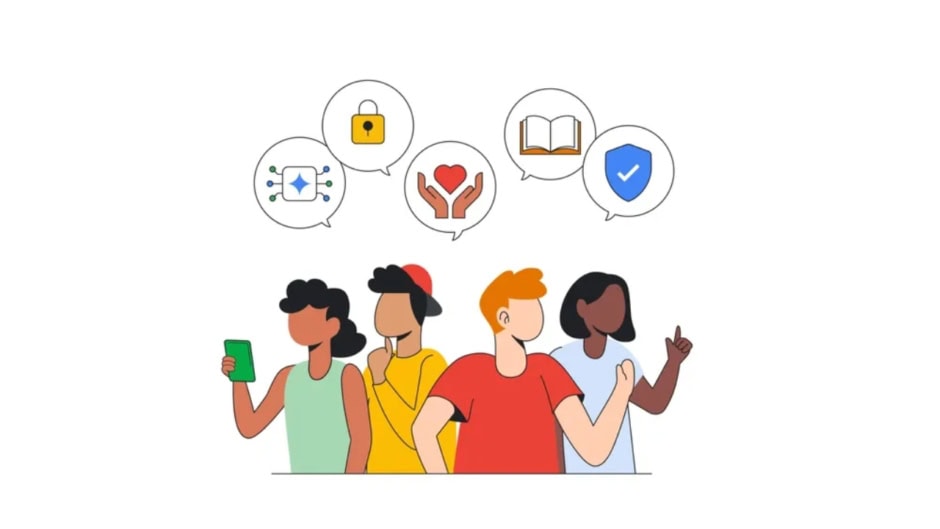
Google published a new report on June 10 exploring how young people across the United Kingdom navigate AI and the digital world. Created in partnership with youth consultancy Livity, the “Future Report” challenges the assumption that technology companies and governments alone should determine AI’s future while young people simply adapt to the consequences.
Young People Reject Passive Role
The report documents conversations with UK teens who reject a passive relationship with emerging technology. Rather than asking whether AI will arrive, young people focus on more fundamental questions: How should society use these technologies? Who gets to decide? What values should guide AI’s development?

Teens demonstrated sophisticated understanding of both AI’s opportunities and risks. They use the technology to learn, create, and solve problems while maintaining clear awareness of misinformation, manipulated content, and declining trust in online information. These conversations revealed a generation unwilling to be protected from the future, but eager to actively shape it.
Democracy and Trust at Stake
The report frames AI governance as fundamentally a question of democracy, accountability, and trust. As AI shapes public debate and influences political narratives, decisions about its design and use carry profound implications for democratic societies.
My Life My Say CEO Dan Lawes emphasized that young people want involvement not because they believe they have all the answers, but because they recognize the stakes. The decisions society makes today about AI, digital platforms, and information systems will affect their lives throughout their futures. They want to help answer defining questions: which safeguards should exist, what values guide AI development, and how should technology serve society.
The Challenge for Institutions
The report demonstrates that young people possess both the maturity and willingness to engage in AI governance. The challenge now rests with institutions, policymakers, and technology companies to recognize young people as stakeholders rather than merely end users. Involving the next generation in shaping technology’s future strengthens public trust and democracy itself.
As Google puts it:
Throughout our events, young people spoke with remarkable thoughtfulness about both the opportunities and the risks that emerging technologies present. They are already using AI to learn, create and solve problems, while also demonstrating a clear awareness of the challenges posed by misinformation, manipulated content and declining trust in online information.