Google Photos expanded its virtual closet feature to U.S., Brazilian, and Indian users this week. Now the Clueless-inspired Wardrobe tool reaches iOS for the first time since launching on Android in June. This expansion marks a turning point for AI-driven personal styling at scale.
The inspiration comes directly from Clueless (1995), where protagonist Cher Horowitz accesses her wardrobe through a touchscreen computer. She mixes outfits with AI suggestions. Similarly, Google transformed that fictional concept into reality using computer vision and generative AI. The system scans your entire photo library, identifies garments across past photos, and automatically categorizes them without requiring manual tagging. As a result, this automation solves the core problem: most people forget what they actually own.
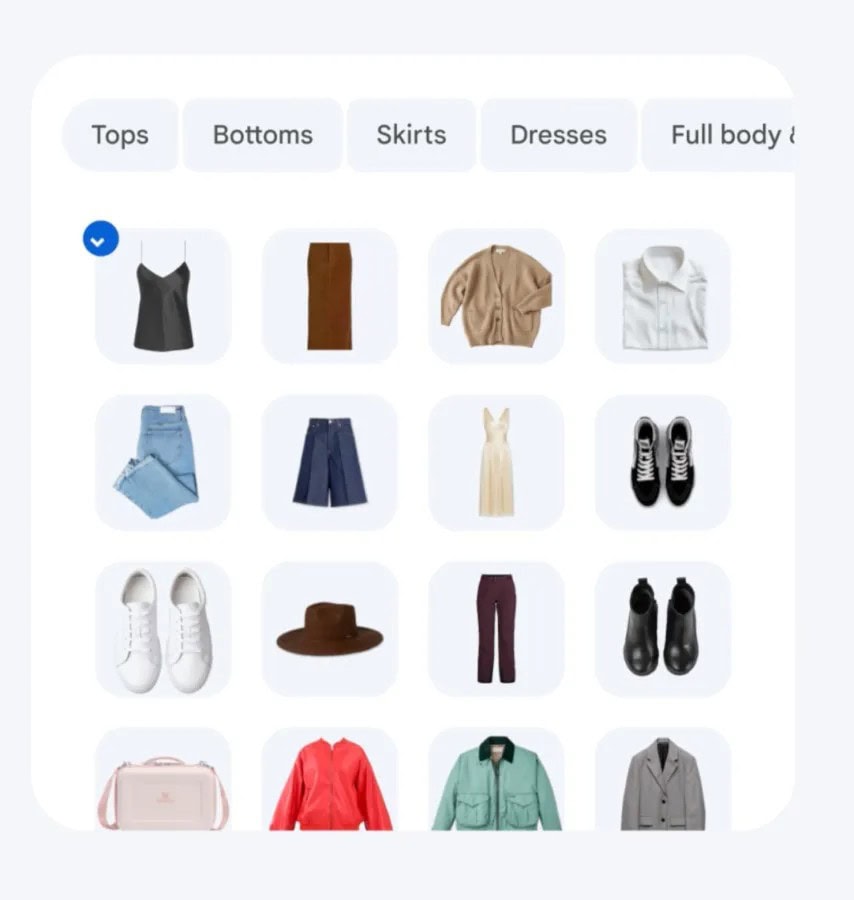
The Wardrobe feature sorts clothing into filterable sections. Tops, bottoms, skirts, dresses, footwear, and accessories organize your wardrobe. Then users browse these items to create custom combinations. The AI suggests pairings based on color, pattern, and style compatibility. Consequently, it transforms what was once scattered across drawers into a searchable smartphone interface. Unlike physical closets where people bury items, this digital alternative surfaces forgotten pieces instantly.
The virtual try-on tool represents the innovation’s technical centerpiece. Using pose estimation and background removal, it renders outfit combinations onto your digital representation. This preview shows how pieces work together before physical fitting. Notably, users save these combinations as curated moodboards and share them with friends for styling feedback. Therefore, this converts outfit selection from solitary to collaborative.
Google emphasized privacy protections that distinguish it from competitor apps like Layered, Glowzy, and DressMeUp. The company assures users that clothing data remains private and never reaches retailers. Furthermore, Google does not store photos used for virtual try-on. The company does not leverage these photos for model training. This approach addresses documented privacy concerns that have hindered competitor adoption.
The rollout accompanies other Google Photos updates. Specifically, Gemini Spark now enables single-prompt photo selection and editing. This requires subscriptions. Meanwhile, an upgraded Markup tool adds redacting, thickness controls, and font selection. Android users also gained Mood filters that mimic vintage film stocks and 2000s digital cameras.
For a while now, I’ve relied on @GeminiApp and @antigravity agents across a wide range of use cases—spanning creativity, productivity, and analysis. But I’ve always dreamed of having a power agent to help me get the most out of my 143,206 photos and videos. And that day has come!… pic.twitter.com/WbnkYpattQ
— shimrit ben-yair (@shimritby) September 3, 2026
This Wardrobe feature differs architecturally from Google’s Shopping Graph virtual try-on (May 2025). That feature visualizes purchasable items. By contrast, the Photos version operates exclusively on clothing you already own. It addresses discoverability rather than acquisition.
This positioning reflects competition for consumer engagement through visual AI. While Apple Photos focuses on Memories and editing, the wardrobe app market remains fragmented. Google’s native integration creates advantages no standalone startup can match. Senior Product Manager Tommy Meaney framed the feature as solving “morning stress.” Ultimately, the real bottleneck is not insufficient wardrobes but forgotten inventory and limited combination variety.