Pakistan is accelerating efforts to transition toward electric mobility as Deputy Prime Minister and Foreign Minister Mohammad Ishaq Dar called for a competitive, innovative, and sustainable automotive ecosystem capable of supporting economic growth, industrial development, and environmental sustainability.
Chairing a high-level meeting on Monday to review Pakistan’s upcoming automotive and auto parts policy, Dar emphasized the importance of a future-ready framework that can strengthen industrial capacity, create skilled jobs, increase exports, and help achieve the country’s climate objectives.
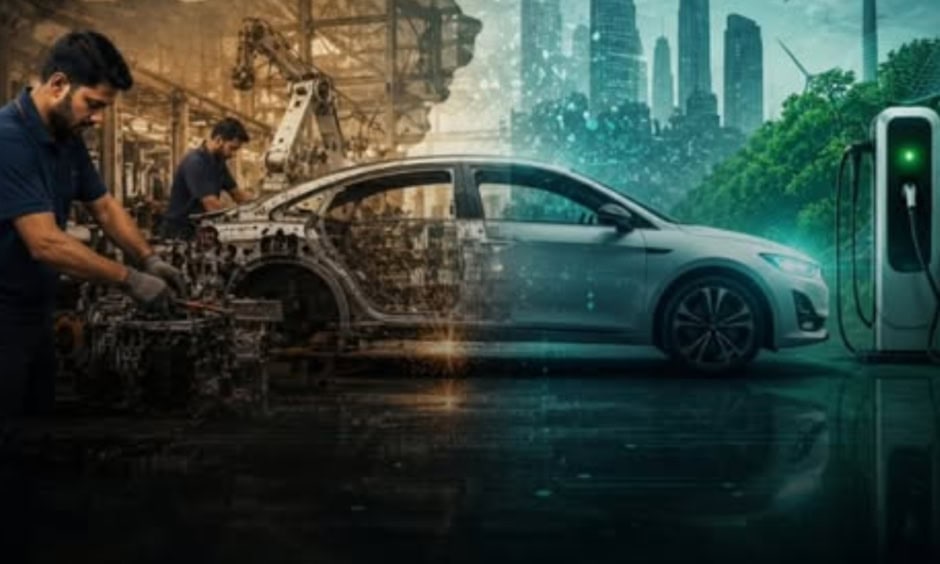
A key focus of the meeting was the rapid adoption of electric vehicles (EVs) and the expansion of domestic vehicle manufacturing capabilities.
The session was attended by ministers from economic and energy-related ministries, senior government officials, policy experts, and economists who reviewed proposals aimed at transforming Pakistan’s automotive sector.
Participants discussed incentives for EV adoption, industry-friendly regulations, localization of manufacturing, and measures to improve Pakistan’s competitiveness within the global automotive value chain.
To move the process forward, the government approved the formation of a subcommittee that will engage with industry stakeholders and prepare recommendations for the new automotive policy. Officials said the consultative process would help develop a framework that balances industry requirements with national economic priorities.
The policy review comes as Pakistan prepares to replace the Automotive Industry Development and Export Plan (AIDEP) 2021-26. The new framework is expected to align with the country’s broader New Energy Vehicle (NEV) strategy, which targets electric and other new-energy vehicles accounting for 30 percent of all new vehicle sales by 2030.
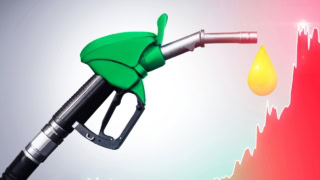
Government officials estimate that large-scale vehicle electrification could reduce Pakistan’s fuel import bill by up to $4.5 billion annually, while also improving energy security and lowering carbon emissions.
Authorities have also reported increasing interest from domestic and international automakers. Several new EV assembly projects and partnerships with global manufacturers are currently underway, supported by government incentives and expanding charging infrastructure.
Industry projections indicate that nearly 87 percent of the 23 new vehicle models expected to launch in Pakistan this year will feature electric, plug-in hybrid, or range-extended electric powertrains, signaling a significant shift away from conventional internal combustion engine vehicles.
Officials view the transition toward electric mobility as a central component of Pakistan’s long-term industrial modernization strategy and climate action agenda.