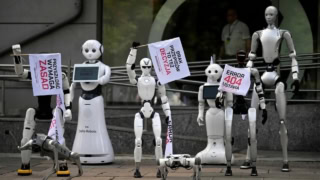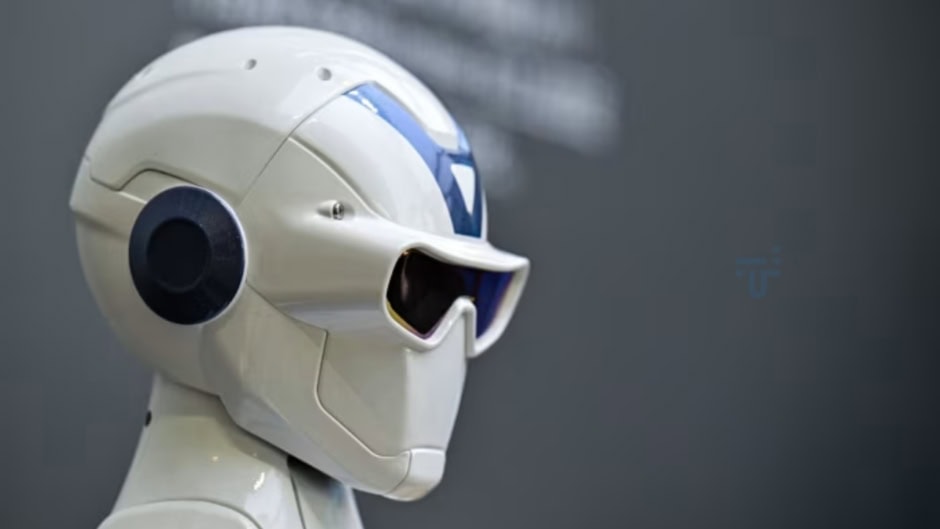
Global humanoid robot shipments jumped to 18,000 units in 2025, marking a 508% increase from the year before according to recent IDC analysis data. Chinese manufacturers captured 90% of all sales globally, signaling a decisive shift from research prototypes to commercial production at scale. For Pakistan, this creates a narrow window to build manufacturing capacity before Chinese competitors dominate South Asia entirely.
China followed a state-backed playbook that Pakistan could study and replicate through different mechanisms here. Unitree and AgiBot shipped 10,668 units combined in 2025 alone, generating $440 million in revenue with orders exceeding 35,000 units total. Pakistan’s robotics sector remains fragmented by comparison. Cobot operates restaurant robots across three cities. NextGen Robotix won Pakistan’s national robotics competition in 2024 and received funding from the government innovation program.
Pakistan possesses genuine technology export credentials that support robotics manufacturing ambitions going forward. Pakistan’s information and communication technology exports reached $4.6 billion in fiscal 2025 to 2026, reflecting 20% year-over-year growth continuously. Freelancers earned record $1.6 billion in export earnings during that same fiscal year reported. The Pakistan Software Export Board leads delegations of nearly 1,000 professionals at major international technology conferences annually.
Yet Pakistan remains at a strategic disadvantage compared to direct South Asian competitors on automation specifically. India’s operational robot stock reached 52,570 units in 2024, placing it 10th worldwide in robotics adoption today. Indian manufacturers installed 4,070 industrial robots in 2024 alone, representing a 15% increase from the previous year. Pakistan and Bangladesh face regulatory barriers plus limited access to advanced technology according to Statista’s Southern Asia analysis.
Morgan Stanley projects the humanoid robot market will reach $38 billion by 2035 and $5 trillion by 2050. Pakistani manufacturers could capture regional export contracts before Chinese competitors establish supply chain control throughout South Asia completely. However, structural barriers constrain Pakistani entrepreneurs seeking to scale production operations and compete globally with established players.
Pakistan’s cascading tariff structure makes imported intermediate inputs expensive for exporters competing internationally today. The Pakistan Institute of Development Economics warns that high tariffs shift resources away from tradable export sectors systematically. Investment of $50 million to $100 million in manufacturing infrastructure could establish Pakistan as the region’s second-tier producer.
The competitive window closes quickly. In three years, Chinese manufacturers will establish supply chain dominance in South Asian markets irreversibly. Pakistani companies must scale now.