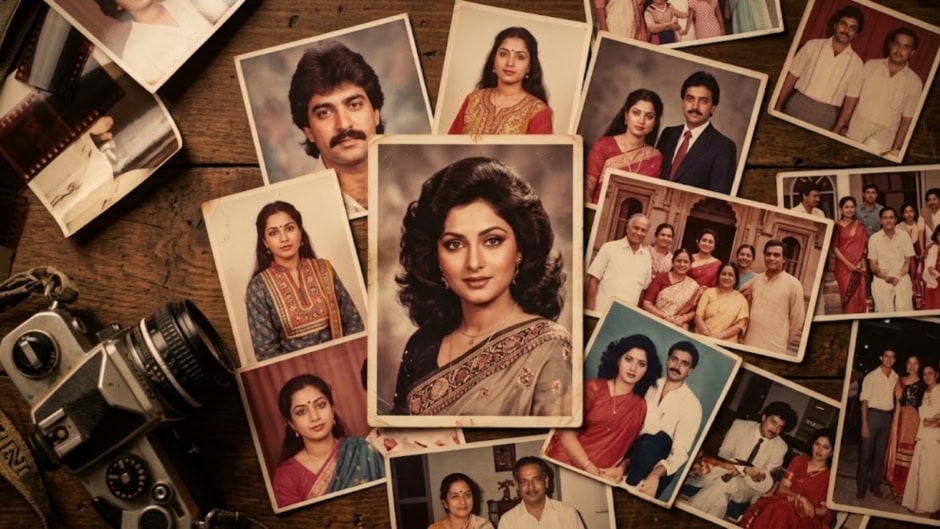
Open Instagram this week, and the algorithm seemingly decided it is 1986. A wave of AI-generated throwback portraits has taken over Stories and Reels. Big hair, disco lighting, and grainy film stock now dominate feeds everywhere. Almost everyone is using ChatGPT to make them.
The concept behind the trend is refreshingly simple to follow. Users upload their latest picture and request a retro recreation. Crucially, only their features and skin tone stay unchanged. Meanwhile, the AI revamps everything else in the image entirely. This includes the hair, clothing, setting, lighting, and film grain. The trend also relies on Instagram’s popular “Add Yours” sticker function.
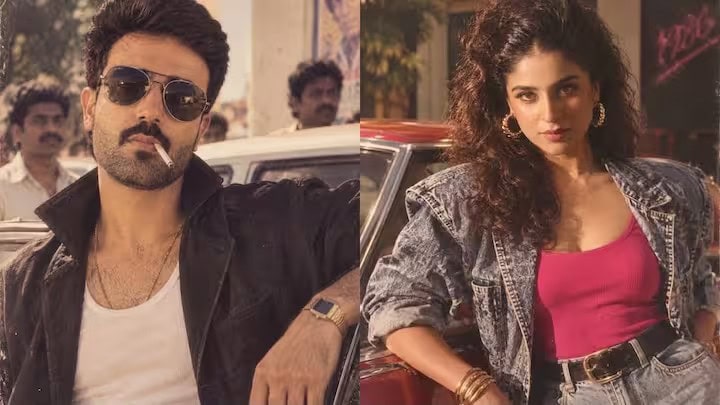
Notably, the trend carries a strong regional flavor in South Asia. Many of the most-shared results lean into Bollywood styling directly. This regional variation gives the trend more staying power locally. The format has also spread well beyond Instagram onto TikTok. Additionally, people are not limited to ChatGPT alone. Google’s Gemini generates the same style of portraits effectively.
For those wanting to try it, specific prompts help considerably. A Bollywood studio portrait prompt adds voluminous curled hair and jewelry. Meanwhile, a family album prompt creates candid, faded snapshot vibes. A third option recreates the classic disco-era party portrait instead. Each prompt stresses keeping facial features and skin tone intact.
Want to create an ’80s-inspired photo using ChatGPT? Here’s how you can do it:
- Start by opening ChatGPT and kicking off a new conversation.
- Hit the + button to upload a great photo you want to transform.
- Describe the iconic 1980s vibe you’re aiming for, including details about the clothing, hairstyles, setting, and lighting.
- Make sure to ask ChatGPT to keep the person’s recognizable features and natural skin tone intact.
- If the first draft doesn’t quite hit the mark, feel free to tweak your prompt until it looks just right!
You can use the prompt with your uploaded photo like this: “Imagine this picture as a realistic portrait from an ‘ 80s movie. While preserving the image’s photorealism and natural appearance, use the identifiable facial features, natural skin tone, period-appropriate voluminous hair, colored clothing, statement jewelry, warm studio lighting, subtle analogue film grain, and slightly faded colors to make it appear like a real photograph taken in the 1980s, rather than a contemporary image with a vintage filter.”
Other prompts you can use is:
1. Classic ’80s Studio Glamour Shot
Reimagine this photo as a 1980s glamour studio portrait. Keep the subject’s facial features and natural skin tone unchanged. Add feathered, voluminous hair, bold shoulder-pad fashion, soft-focus glow, and a hazy pastel gradient backdrop. Include warm rim lighting and subtle film grain, echoing the classic mall-studio portraits of the era.
2. ’80s Yearbook Portrait
Turn this photo into a 1980s high school yearbook photo. Preserve the subject’s exact facial features and skin tone. Add teased or side-parted hair, a collared shirt or knit sweater, and the iconic laser-beam or mottled blue studio backdrop. Apply slightly faded colors and soft focus, as if scanned from an old yearbook page.
3. ’80s Neon Synthwave Portrait
Recreate this image as a 1980s synthwave-style portrait. Keep the subject’s recognizable features and skin tone intact. Add neon pink and blue lighting, a grid or sunset backdrop, big styled hair, and a leather or denim jacket. Give it a moody, cinematic glow with visible film grain, like a retro album cover.

Experts urge caution when uploading personal images to AI platforms. Users should avoid pictures containing sensitive documents or private surroundings. Additionally, they should not transform images of non-consenting people. Google notes it adds a visible watermark to Gemini images. It also embeds a hidden SynthID marker to flag AI content.
Ultimately, the trend reflects AI’s growing role in everyday creativity. For Pakistani and Indian users especially, the Bollywood angle resonates strongly. However, that appeal should be balanced with genuine privacy awareness.