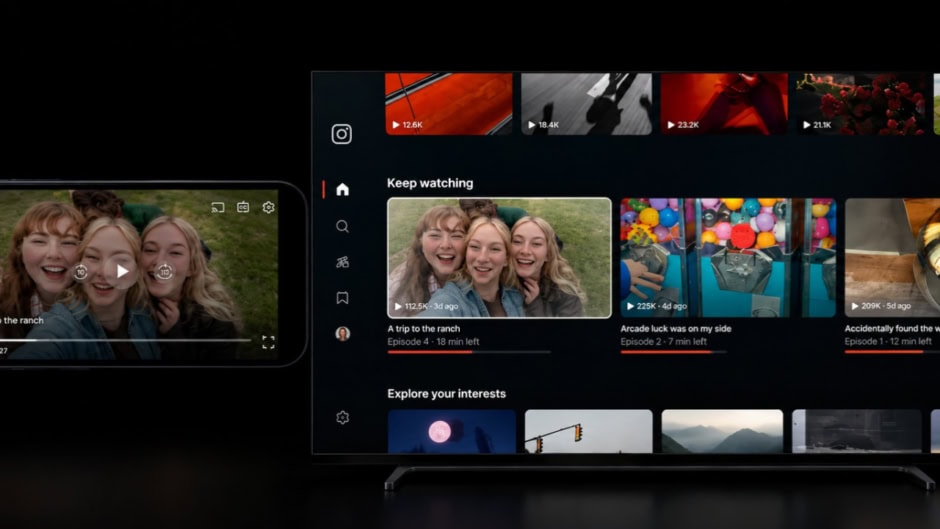
Instagram has started testing a new long-form video format called Features. The format allows videos up to 90 minutes long. Adam Mosseri, the head of Instagram, announced the test alongside VP Tessa Lyons on October 26, 2026.
The announcement marks a sharp reversal for Instagram. In fact, Mosseri had publicly opposed long-form video on the platform for years.
He said:
“For a long time, I have been against doing long-form video on Instagram.”
However, the growing dominance of YouTube in long-form watch time appears to have changed his mind.
The test started in Brazil earlier this year. Now, a small group of US creators can also access Features. Meta plans to expand the rollout over the coming months. Specifically, the format targets podcasters, comedians, interviewers, and other creators who already make long-form content elsewhere.
Instagram wants Features to work alongside Reels rather than replace them. Creators can clip up to eight short segments from a long Feature and post them as Reels. Each clip then links back to the full video. In addition, Instagram is testing a Series format that groups episodic Reels into a dedicated topic set.
The company is also leaning into connected TV. The Instagram TV app reached Apple TV in the US last December. Users will soon control the TV app with their phones. Lyons said long-form horizontal video works best on a big screen. Furthermore, Instagram has mapped out a two-year roadmap for creators that includes podcasts, live streams, and serialized mini-dramas on CTV.
However, the monetization gap remains the biggest obstacle. YouTube pays creators roughly $1 to $10 per 1,000 long-form views through its Partner Program. In contrast, Instagram currently pays essentially zero on long-form views unless creators bring their own brand deals. Top creators earn around $50,000 per month on YouTube versus $5,000 to $15,000 on Instagram.
It might still be too early to share a long-term revenue model for this new content space. So instead, the company is exploring performance-based incentives, direct brand deals, and fan monetization. Meanwhile, Mosseri confirmed that Features will not stay exclusive to Instagram. Creators can still post the same videos on YouTube or TikTok.
Instagram launched IGTV in 2018 as a separate app for long-form video. Then it shut IGTV down in 2022 after poor adoption. However, the company says it has learned from that failure. Specifically, Features will live inside the main app rather than in a separate product.
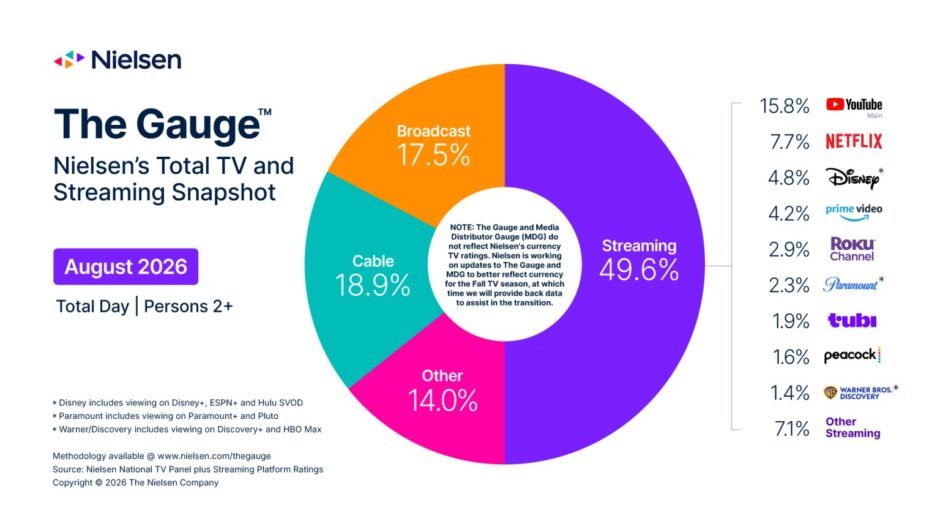
Experts rank YouTube as the largest US streaming content provider, with over one billion hours of daily TV viewing. TikTok has also leaned into microdramas and livestreams for longer watch time. As a result, Instagram now needs long-form video to stay competitive on creator time and advertising revenue.
Many Pakistani podcasters, interviewers, and comedy creators already publish on both YouTube and Instagram. If Meta solves the pay gap, they could run the same long-form content on both platforms without choosing. However, Pakistani access to Features will likely come only after the US (and many other countries) rollout stabilizes.