Global oil prices edged lower on Thursday as investors evaluated the impact of escalating tensions between the United States and Iran on energy supplies, particularly through the strategically important Strait of Hormuz.
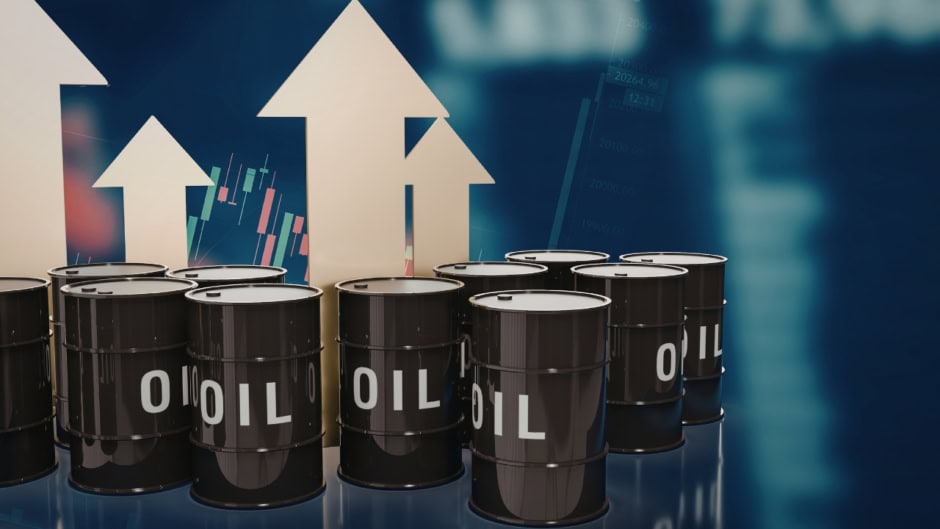
Brent crude futures slipped 58 cents, or 0.68%, to $84.37 per barrel, while U.S. West Texas Intermediate (WTI) crude futures declined 18 cents, or 0.23%, to $79.42 per barrel during early trading. Despite the pullback, both benchmarks remained close to their highest levels in about a month after posting strong gains earlier in the week.
Market analysts said investors remain cautious as geopolitical risks continue to support oil prices, even though disruptions to supply have so far been limited.
Ole Hvalbye, a market analyst at SEB Research, said oil prices could continue climbing toward the $90–$95 per barrel range if uncertainty surrounding shipping through the Strait of Hormuz persists. He noted that repeated disruptions to one of the world’s busiest energy routes have increased concerns over global crude supplies.
The latest market movements follow renewed military escalation between Washington and Tehran. The United States reportedly targeted Iran’s coastal defence and missile facilities after reimposing a naval blockade on Iranian ports, while Iran warned it could respond by disrupting energy infrastructure across the Gulf.
The renewed conflict comes after a fragile ceasefire collapsed in June, reviving concerns over regional stability. The Strait of Hormuz, which previously handled around 20% of global oil and liquefied natural gas (LNG) trade, remains under close watch as reduced shipping activity has raised fears of potential supply disruptions.
Analysts said oil markets are closely monitoring tanker movements through the strait. Although vessels continue to transit the waterway, traffic has declined compared to previous days, reflecting growing caution among shipping operators.
Meanwhile, Iran has warned that any further attacks on its infrastructure could trigger broader retaliation across the Gulf region. Analysts also believe Tehran could rely on its Houthi allies in Yemen to threaten the Bab el-Mandeb Strait, another key maritime route for global energy shipments.
Separately, Ukraine’s Security Service announced that, in coordination with the country’s navy, it had targeted two Russian “shadow fleet” oil tankers using naval drones in the Black Sea, adding another layer of uncertainty to global energy markets.